 EN


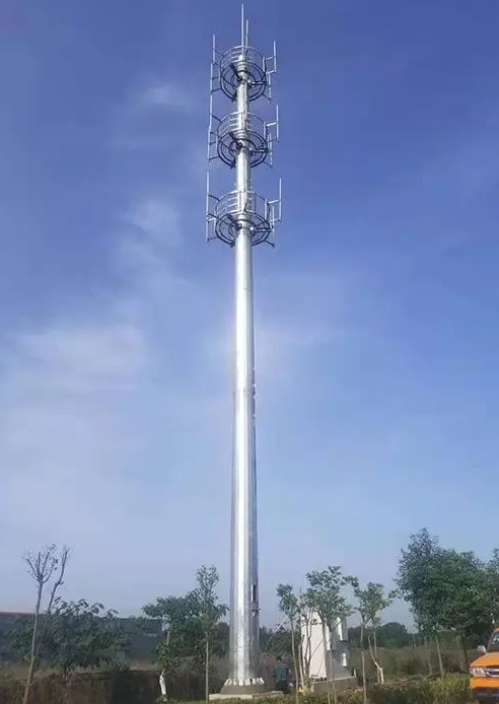
Selecting a reliable antenna tower supplier requires more than just competitive pricing or fast delivery. The most critical factor is verifying that your antenna tower supplier maintains recognized global certifications and adheres to international standards. These credentials represent a supplier's commitment to safety, structural integrity, environmental responsibility, and quality assurance. When you invest in antenna tower infrastructure, you need assurance that every component meets rigorous engineering requirements and regulatory expectations across your operating regions.
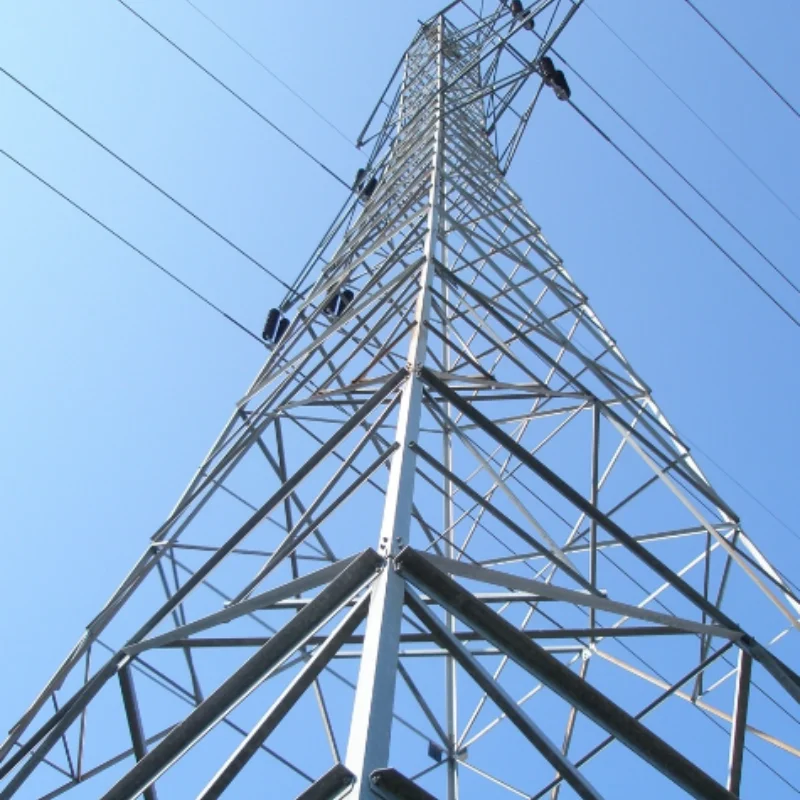
An antenna tower is a substantial capital investment that must withstand environmental stresses, support heavy equipment loads, and remain operational for decades. The certifications and standards your antenna tower supplier holds directly impact your project timeline, maintenance costs, regulatory compliance, and long-term operational safety. Understanding which certifications matter most helps you evaluate suppliers effectively and reduce procurement risk.
Understanding Core Antenna Tower Standards
International Engineering Standards for Antenna Tower Design
Your antenna tower supplier must demonstrate familiarity with foundational engineering standards that govern tower design, fabrication, and installation. The antenna tower industry relies heavily on standards established by organizations including ISO (International Organization for Standardization), ANSI (American National Standards Institute), IEC (International Electrotechnical Commission), and regional telecommunications bodies. These standards specify load calculations, wind resistance requirements, seismic performance, material specifications, and structural safety margins. When evaluating an antenna tower supplier, verify that their engineering team references relevant standards during design and manufacturing phases.
Many regions require antenna tower suppliers to design towers according to specific local or national building codes. For example, antenna tower infrastructure in North America frequently must comply with TIA/EIA standards and ANSI/AISC guidelines. European antenna tower projects typically reference Eurocodes and EN standards. Your antenna tower supplier should be able to clearly explain which standards apply to your specific project geography and provide documentation proving compliance during manufacturing. This level of transparency indicates a professional operation committed to structural safety and regulatory adherence.
Regional Certification Frameworks
Beyond general engineering standards, antenna tower suppliers operate within regional certification systems that validate manufacturing processes and quality control. In many countries, telecom infrastructure suppliers must hold ISO 9001:2015 certification, which demonstrates a documented quality management system covering design, production, inspection, and delivery. An antenna tower supplier with current ISO 9001 certification has undergone independent audits confirming that their processes consistently produce conforming products. This certification reduces your risk of receiving substandard components or experiencing project delays due to manufacturing defects.
Additionally, antenna tower suppliers serving specific regions may need regional certifications. In the European Union, antenna tower manufacturers must comply with CE marking requirements under the Construction Products Regulation (CPR). In India, antenna tower suppliers often require BIS (Bureau of Indian Standards) certification for telecom tower products. An antenna tower supplier operating across multiple markets should hold certifications appropriate for each region where they manufacture or deliver products. Request current certification documents from your potential antenna tower supplier and verify their validity with issuing bodies.
Safety, Environmental, and Structural Compliance Standards
Environmental and Sustainability Certifications
Modern antenna tower procurement increasingly emphasizes environmental responsibility and sustainability. Your antenna tower supplier should hold or pursue ISO 14001 certification, demonstrating a structured environmental management system covering emissions, waste handling, resource conservation, and compliance with environmental regulations. An antenna tower supplier with ISO 14001 certification has committed to measuring environmental impact and implementing improvements across manufacturing operations. This matters not only for corporate sustainability goals but also because environmental compliance protects your organization from regulatory exposure and potential project disruptions.
Corrosion resistance directly impacts antenna tower lifespan and maintenance costs. A quality antenna tower supplier will employ hot-dip galvanizing or comparable protective coatings that meet ASTM B633 (electroplating) or equivalent standards. These processes ensure that your antenna tower resists rust and degradation even in corrosive coastal environments or industrial areas. When comparing antenna tower suppliers, ask specifically about their corrosion protection processes and request technical data sheets confirming adherence to internationally recognized coating standards. Poor corrosion protection leads to premature tower failure and expensive emergency replacements.
Structural Safety and Load Testing
An antenna tower supplier must conduct rigorous quality assurance and testing throughout manufacturing. Your antenna tower supplier should perform non-destructive testing, dimensional verification, and load-bearing capacity documentation for each production batch. Many professional antenna tower suppliers maintain in-house testing laboratories where they validate weld quality through ultrasonic and radiographic inspection. Before placing your order, request details about your antenna tower supplier's testing procedures and ask for sample test reports demonstrating their quality standards.
Your antenna tower supplier should provide structural analysis reports and drawings stamped by licensed professional engineers in relevant jurisdictions. These engineering certifications prove that an antenna tower has been analyzed for specific load conditions, wind speeds, seismic forces, and ice accumulation relevant to your installation site. Request that your antenna tower supplier furnish foundation design recommendations and installation specifications with every quote. This documentation protects you during site preparation and construction phases and provides essential reference material for future maintenance, modifications, or troubleshooting.
Vendor Qualification and Ongoing Compliance Management
Third-Party Audits and Certification Renewals
When evaluating an antenna tower supplier, distinguish between self-claimed certifications and independently verified credentials. Your antenna tower supplier should undergo regular audits from accredited certification bodies that verify ongoing compliance with stated standards. ISO certifications typically require annual surveillance audits and complete recertification every three years. Request evidence that your antenna tower supplier's certifications remain current and that they have successfully completed recent audits. An antenna tower supplier unable or unwilling to provide current certification documentation raises serious red flags about their commitment to standards.
Reputable antenna tower suppliers maintain detailed records of supplier qualification, material testing, manufacturing inspections, and delivery verification. Your antenna tower supplier should have documented procedures for traceability, meaning you can track material origins, batch numbers, and test results for components installed in your project. This traceability becomes invaluable if issues arise and you need to identify root causes or coordinate recalls. A professional antenna tower supplier treats this documentation as standard procedure, not as an extra burden.
Industry Recognition and Peer Validation
Beyond formal certifications, consider whether your antenna tower supplier holds memberships in industry associations or has achieved recognition from telecommunications bodies in their region. Membership in organizations like the Tower and Infrastructure Industry Association (TIIA) or equivalent regional groups indicates a supplier's commitment to industry best practices and peer accountability. Some antenna tower suppliers undergo additional validation through major telecom operators' supplier qualification programs. Request references from established telecommunications companies, enterprise customers, or infrastructure operators who have purchased from your antenna tower supplier. Direct customer experience often reveals insights about reliability, responsiveness, and genuine commitment to quality that certifications alone cannot convey.
FAQ
What certifications must an antenna tower supplier hold?
Essential certifications for an antenna tower supplier include ISO 9001:2015 for quality management, regional compliance marks (CE in Europe, BIS in India, or equivalent), engineering design certifications demonstrating compliance with applicable building codes, and environmental certifications like ISO 14001 when sustainability matters to your organization. Additionally, your antenna tower supplier should provide structural analysis reports stamped by licensed professional engineers. The specific certifications required depend on your project location and local regulations.
How do I verify that an antenna tower supplier's certifications are genuine?
Request current certification documents directly from your antenna tower supplier and verify their authenticity by contacting the issuing certification body. For ISO certifications, you can often check the certifying body's public database. Ask your antenna tower supplier for evidence of recent audit results and recertification records. A legitimate antenna tower supplier will provide this documentation promptly and transparently. Be cautious of antenna tower suppliers who cannot produce current, verifiable certifications or who claim certifications without supporting documentation.
Why should antenna tower standards matter to my procurement process?
Your antenna tower supplier's adherence to recognized standards directly impacts safety, regulatory compliance, structural reliability, and long-term performance of installed infrastructure. An antenna tower built to lower standards may fail prematurely, creating safety hazards and requiring expensive emergency replacement. Standards also protect you during regulatory inspections and provide documented evidence that your antenna tower supplier met requirements at the time of manufacture. Prioritizing standards ensures that your antenna tower investment delivers reliable service while minimizing legal and operational risk.