 EN
EN


Communication tower erection is one of the most critical and hazardous operations in the telecommunications and broadcasting industries. The process of raising tall communication towers demands rigorous attention to safety protocols, equipment inspection, and workforce coordination. Every phase of communication tower erection involves significant risks, from foundation preparation through final assembly and testing. Understanding and implementing comprehensive safety checks during communication tower erection is not merely a regulatory requirement—it is essential for protecting workers, safeguarding equipment investments, and ensuring project success.
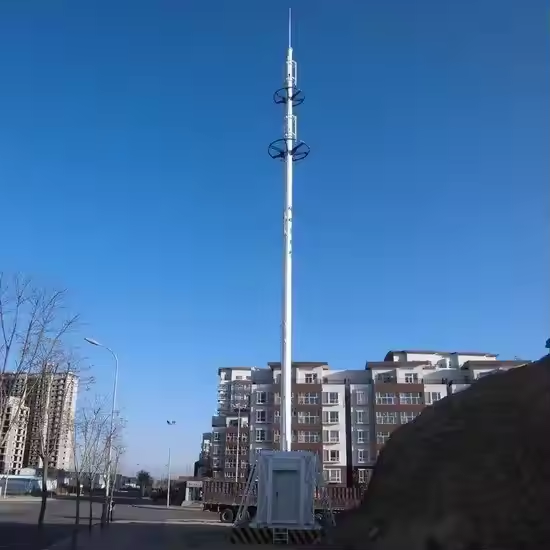
The erection of tall communication towers presents unique engineering challenges that require systematic safety verification at every stage. Communication tower erection operations involve heavy machinery, elevated work, electrical systems, and structural loads that demand constant vigilance. This article provides a comprehensive guide to the critical safety checks that must be performed during communication tower erection to minimize risks and ensure compliance with industry standards and regulatory frameworks.
Pre-Erection Assessment and Site Preparation
Foundation Inspection and Ground Verification
Before communication tower erection begins, the foundation must undergo thorough inspection to ensure it meets design specifications. Engineers must verify that concrete curing has reached required strength levels, typically 28 days minimum for standard concrete. Soil testing should confirm bearing capacity matches the design load assumptions for communication tower erection. Any settlement, cracking, or deformation in the foundation must be documented and remediated before proceeding with communication tower erection operations.
Site conditions play a critical role in safe communication tower erection. Weather forecasting, wind speed monitoring, and terrain assessment must be completed before any erection activities commence. The staging area for materials and equipment during communication tower erection must be cleared of obstacles and properly leveled. Environmental factors such as proximity to power lines, water bodies, and populated areas require specific mitigation strategies for each communication tower erection project.
Equipment and Material Pre-Deployment Checks
All machinery and lifting equipment intended for communication tower erection must pass comprehensive pre-deployment certification. Cranes, derricks, and hydraulic systems require load testing, structural inspection, and documentation of maintenance history. Cables, rigging hardware, and fasteners used during communication tower erection must be verified for grade, condition, and proper working load limits. Non-destructive testing methods such as ultrasonic inspection and magnetic particle testing identify hidden defects before communication tower erection operations expose workers to risk.
Material staging during communication tower erection requires organized labeling, inventory tracking, and corrosion inspection. Steel components should be examined for surface defects, dimensional accuracy, and galvanization integrity, as these factors directly influence structural reliability during communication tower erection assembly. Documentation of material certifications and traceability records ensures compliance and provides accountability during communication tower erection execution.
Structural Assembly and Lifting Operations
Bolting, Welding, and Connection Verification
During communication tower erection, each bolted connection must be torqued to specification using calibrated tools and verified by certified inspectors. Torque values vary based on bolt grade, size, and application—improper torque during communication tower erection creates failure risk at connection points. Welding operations during communication tower erection require certified welders, documented procedures, and post-weld inspection including visual examination and radiographic testing for critical joints.
Thread integrity and fastener corrosion must be monitored throughout communication tower erection. All connections receive secondary verification as assembly progresses vertically. Temporary bracing and guy-wire systems provide lateral stability during intermediate stages of communication tower erection before permanent structural members are installed. Load transfer paths must be continuously verified to ensure no single point of failure can compromise worker safety during communication tower erection.
Crane Operation and Load Control
Crane operations during communication tower erection require certified operators and spotters communicating through standardized hand signals and radio protocols. Lift plans must be prepared before each communication tower erection lift, detailing load weight, rigging configuration, environmental conditions, and contingency procedures. Radio communication systems must be tested before communication tower erection lifting operations begin, and backup communication methods must be established for redundancy.
Load calculations during communication tower erection must account for dynamic effects, wind loading, and acceleration forces that exceed static weight. Rigging hardware must be rated for at least four times the maximum anticipated load during communication tower erection operations. Swing radius clearance must be verified, and exclusion zones must be established and monitored by designated personnel during communication tower erection lifts. Ground conditions must support crane positioning without settling or shifting during communication tower erection activities.
Height Safety Systems and Fall Protection
Personal Protective Equipment and Harness Deployment
Workers engaged in communication tower erection at heights above 1.8 meters must utilize personal protective equipment including hard hats, safety glasses, work gloves, and fall protection systems. Fall arrest harnesses used during communication tower erection must be certified annually and inspected daily before deployment. Anchor points for fall arrest systems during communication tower erection must be structurally verified to support a minimum of 2,268 kilograms, and multiple workers should never share a single anchor during communication tower erection operations.
Climbing safety during communication tower erection requires ladders, climbing devices, or cage systems appropriate to tower design and worker skill levels. Rescue procedures must be established and practiced before communication tower erection begins, with equipment and trained personnel stationed on site. Self-rescue systems during communication tower erection should be available for workers to prevent suspension trauma if vertical positioning extends for prolonged periods.
Elevated Platform and Workspace Standards
Temporary platforms constructed during communication tower erection must meet structural load requirements with safety factor of at least 2.5 times the intended work load. Guard rails around elevated work areas during communication tower erection must be minimum 1.1 meters high with mid-rails and toe boards preventing falls and tool drops. Debris netting installed during communication tower erection catches falling objects and prevents them from reaching ground level or adjacent structures.
Visibility of workers and materials during communication tower erection is enhanced through high-visibility clothing and lighting systems on the tower structure. Weather monitoring continues throughout communication tower erection assembly, with operations suspended when wind speeds exceed equipment limits or visibility becomes compromised. Fatigue management protocols during communication tower erection prevent safety lapses caused by exhaustion during extended work shifts at heights.
Electrical Systems and Environmental Safety
Power Line Clearance and Electrical Hazard Management
Communication tower erection projects near existing electrical infrastructure require coordination with utility companies to verify clearance distances. High-voltage lines require minimum clearance of 3 meters for communication tower erection equipment, with additional distance required in wet conditions. Non-conductive materials must be used for rigging during communication tower erection if proximity to electrical hazards cannot be eliminated.
Electrical systems installed on the tower during communication tower erection must be grounded properly to prevent shock hazards and static discharge. Lightning protection systems integrated during communication tower erection include grounding conductors, surge protection devices, and bonding connections at all metallic components. Regular testing of grounding systems during communication tower erection ensures continued effectiveness throughout the structure's operational life.
Environmental and Weather Protection
Adverse weather conditions pose direct threats to worker safety during communication tower erection. Wind speed monitoring with anemometers suspended on the tower structure provides real-time data for communication tower erection lift decisions. Temperature extremes affect material properties and worker endurance, requiring adjustment of schedules and hydration protocols during communication tower erection operations in challenging climates.
Ground conditions during communication tower erection must be assessed for water accumulation, unstable soil, or subsurface hazards that could compromise crane stability or worker mobility. Environmental health protocols during communication tower erection include respiratory protection in areas with poor air quality and sun protection during extended outdoor exposure. Noise monitoring during communication tower erection protects workers from hearing damage caused by machinery and impact tools.
Documentation, Inspection, and Compliance Verification
Daily Inspection Records and Certifications
Comprehensive documentation during communication tower erection provides evidence of compliance with safety standards and creates records for incident investigation if needed. Daily pre-shift meetings during communication tower erection discuss work scope, hazards, and safety procedures with all personnel. Inspection checklists for communication tower erection verify equipment condition, worker qualifications, and site conditions before work begins each day.
Third-party inspectors during communication tower erection verify compliance with engineering designs and applicable codes. Photographic documentation during communication tower erection captures critical phases for quality assurance and serves as evidence of proper assembly sequences. Non-conformance reports during communication tower erection trigger corrective actions and documentation updates before erection continues.
Post-Erection Testing and Final Verification
After structural assembly, communication tower erection projects require load testing to verify that the structure performs as designed under anticipated service loads. Vibration analysis during communication tower erection validates that natural frequencies and damping characteristics match specifications. Final safety audits during communication tower erection confirm that all temporary safety systems are removed and permanent systems are operational.
Worker training and competency verification throughout communication tower erection ensure that personnel understand their responsibilities and hazard exposures. Handover documentation for communication tower erection transfers liability and responsibility to operations teams. Maintenance schedules for communication tower erection structures establish inspection intervals and procedures to maintain safety performance throughout the tower's operational life.
FAQ
What are the most common accidents during communication tower erection operations?
Falls from heights, caught-between incidents during rigging operations, and crane-related accidents represent the most common serious incidents during communication tower erection. Struck-by incidents involving falling tools or materials also occur frequently during communication tower erection if proper exclusion zones and netting are not maintained. Overexertion injuries and heat exhaustion develop gradually during intensive communication tower erection work without adequate fatigue management and hydration protocols. Electrocution risks increase during communication tower erection if clearance from power lines is not maintained and grounding procedures are incomplete.
How frequently should communication tower erection crews receive safety training?
Formal safety training for communication tower erection should occur annually at minimum, with refresher sessions scheduled before project mobilization. Task-specific training directly relevant to each communication tower erection project must occur before workers assume their assigned positions. Daily toolbox talks during communication tower erection provide context-specific hazard awareness for current work conditions and planned activities. Competency assessments during communication tower erection verify that training has been understood and retained through practical demonstrations.
What role do safety audits play in communication tower erection project management?
Safety audits during communication tower erection identify hazards before incidents occur and validate that control measures are functioning effectively. Regular audits during communication tower erection document compliance with regulatory requirements and project-specific safety plans. Audit findings during communication tower erection generate action items that management must address within specified timeframes. Trend analysis from communication tower erection safety audits reveals systemic issues requiring procedural modifications or additional training to prevent repeat incidents.