 EN


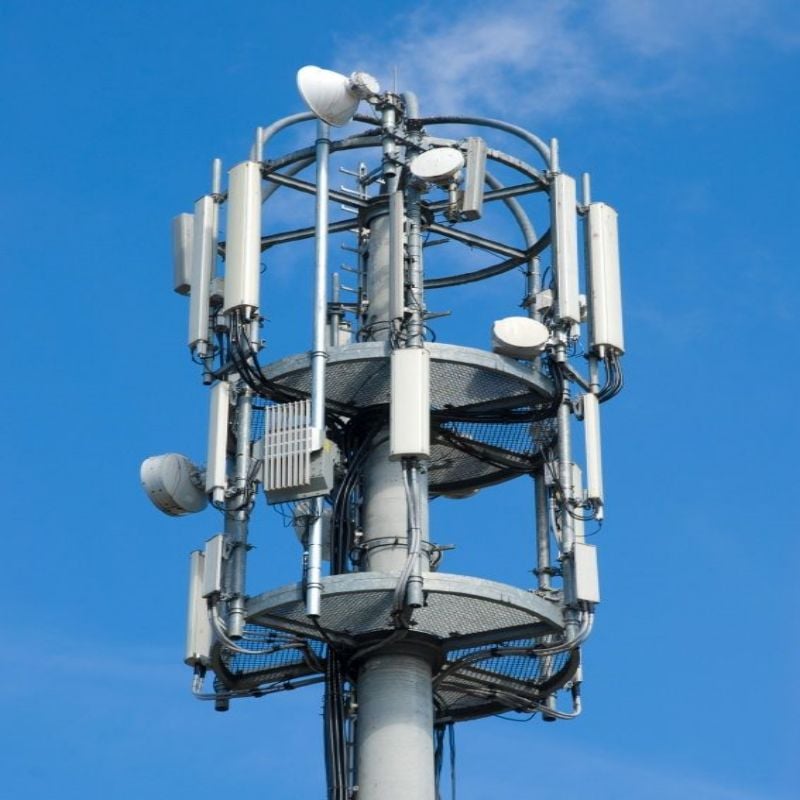
Verifying the load-bearing capacity and safety of a newly installed communication tower is one of the most critical responsibilities in telecom infrastructure deployment. A communication tower must withstand extreme weather conditions, the weight of mounted equipment, and years of continuous operation without failure. Proper verification ensures that the communication tower meets engineering standards, complies with regulatory requirements, and protects both personnel and equipment investments. This comprehensive process involves multiple testing methodologies, structural assessments, and safety inspections that must be executed with precision and documented thoroughly.
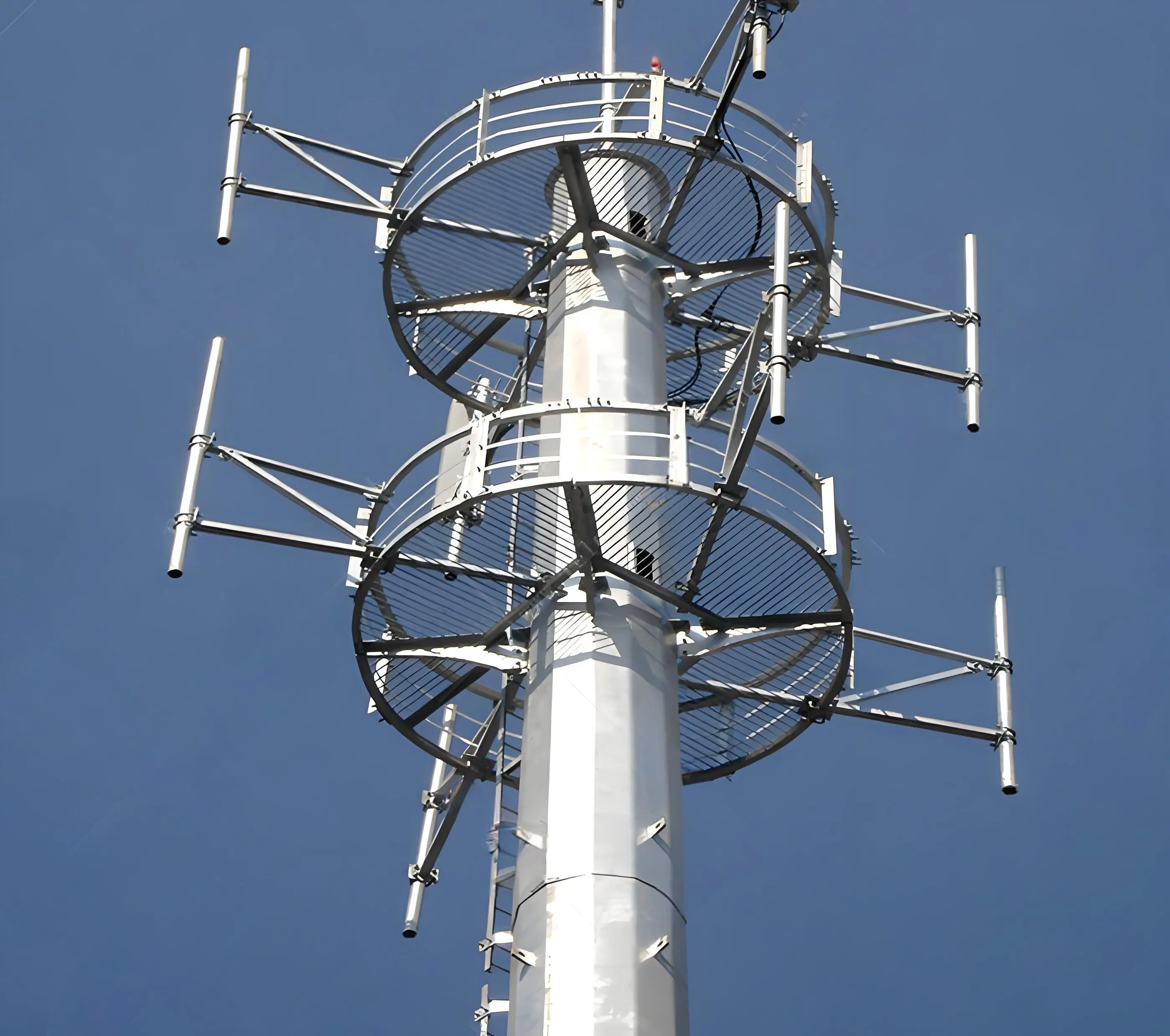
The verification process for a communication tower begins immediately after installation and continues through commissioning and beyond. Every communication tower is subjected to a series of standardized tests designed to confirm structural integrity, material quality, and safe operational capacity. The complexity and rigor of these tests depend on tower height, design specifications, environmental factors, and the specific loads the communication tower will carry during operation. Understanding the verification procedures protects stakeholders from costly failures and ensures the communication tower serves its intended purpose reliably.
Understanding Communication Tower Load-Bearing Requirements
Design Specifications and Load Categories
Every communication tower is engineered to carry specific loads within defined safety margins. The communication tower must accommodate dead load (the weight of the structure itself and permanent fixtures), live load (temporary equipment and maintenance personnel), and environmental loads (wind, ice, and seismic forces). Engineers calculate the maximum permissible load for each communication tower based on material grade, cross-sectional dimensions, foundation design, and anchoring systems. Before any communication tower undergoes verification testing, the design documentation must be reviewed to establish baseline load specifications that serve as reference points for all subsequent testing activities.
Regulatory Standards and Compliance Framework
A communication tower must comply with international and regional standards including TIA-322, EIA-222, and local building codes. These standards define minimum load factors, safety margins, and verification procedures that every communication tower installation must follow. The communication tower's compliance certification directly affects insurance coverage, operational liability, and regulatory approval. Verification testing confirms that the communication tower meets these mandatory standards and produces the documentation required by telecommunications authorities and safety agencies.
Primary Load-Bearing Verification Methods
Non-Destructive Testing and Ultrasonic Analysis
Non-destructive testing is the foundation of communication tower verification because it assesses material quality and structural integrity without compromising the communication tower's operational capacity. Ultrasonic thickness measurement inspects the material thickness of each communication tower component, detecting corrosion, erosion, or manufacturing defects that could reduce strength. Eddy current testing identifies surface and near-surface defects in the communication tower's steel members. Radiographic inspection examines welds and connection points within the communication tower to verify proper fusion and absence of voids. These methods provide detailed data about the actual condition of the communication tower without requiring destructive sampling.
Static Load Testing Procedures
Static load testing applies known weights to the communication tower and measures deflection and stress responses. Test teams carefully position calibrated weights on or near the communication tower while monitoring deformation using precision instruments. The communication tower's response to applied loads is compared against predicted performance models derived from design calculations. If a communication tower exhibits deflection within acceptable tolerances and returns to its original position after load removal, it demonstrates adequate load-bearing capacity. This testing method provides direct evidence that the communication tower can safely support its rated loads under static conditions.
Dynamic and Wind Resistance Assessment
While static testing verifies capacity under steady loads, a communication tower must also withstand dynamic forces and vibration. Wind tunnel testing or computational fluid dynamics simulations model how the communication tower responds to sustained winds and transient gusts. Accelerometers and displacement sensors measure the communication tower's natural frequency, damping characteristics, and resonance behavior. These measurements confirm that the communication tower will not experience dangerous oscillation or instability during operational wind events. Dynamic assessment is particularly critical for tall communication tower installations where wind forces create significant stress concentrations.
Documentation, Inspection Protocols, and Ongoing Safety
Structural Inspection and Visual Assessment
Certified inspectors conduct detailed visual examination of every communication tower component, connection, and weld. This inspection identifies visible defects such as cracks, corrosion, loose fasteners, misalignment, or improper installation practices. Photographic documentation of the communication tower's condition creates a baseline reference for future inspections and maintenance comparisons. The communication tower's foundation, anchor bolts, and base connections receive particular attention because these elements transfer all loads to the ground. Comprehensive visual inspection of the communication tower, combined with testing data, produces a complete safety profile.
Testing Report and Certification
After all verification activities conclude, a detailed testing report documents every communication tower test result, measurement, and observation. This report includes calculation summaries, photographic evidence, equipment calibration records, and inspector certifications. The communication tower's verification report serves as proof of compliance, provides data for insurance and regulatory authorities, and establishes baseline information for future maintenance decisions. Certification of the communication tower's load-bearing capacity must be issued by qualified engineers with appropriate credentials. This official documentation protects all stakeholders and authorizes the communication tower for full operational deployment.
Periodic Reinspection and Maintenance Verification
A communication tower's initial verification is not the end of safety oversight; ongoing inspection and maintenance are required throughout the tower's operational life. Annual visual inspections of the communication tower detect emerging corrosion, fatigue, or damage. Every five to ten years, a communication tower undergoes detailed reinspection including non-destructive testing to confirm that load-bearing capacity remains unchanged. Environmental factors, installation additions, and component aging all affect the communication tower's long-term performance. Periodic verification of the communication tower ensures it continues to meet safety standards and operational requirements.
FAQ
What specific instruments are used to measure communication tower deflection during load testing?
Deflection measurement during communication tower testing employs laser displacement sensors, linear variable differential transformers (LVDTs), and digital levels. These instruments track even minute movement of the communication tower under applied loads with accuracy to within millimeters. The communication tower's deflection data is recorded continuously and compared to allowable limits established by design standards and engineering specifications.
How frequently should a communication tower undergo safety verification after initial installation?
A communication tower typically requires comprehensive visual inspection annually and detailed non-destructive testing every five to ten years, depending on environmental conditions and usage patterns. The communication tower's inspection schedule may increase if modifications are made, if environmental damage is discovered, or if the tower operates in harsh coastal or seismic zones. Regular communication tower verification cycles maintain safety certification and detect problems before they become serious.
Can verification testing be performed while a communication tower remains in active operation?
Many verification methods for a communication tower can be conducted without service interruption, including visual inspection, ultrasonic testing, and some non-destructive evaluation techniques. However, static load testing and certain dynamic assessments of the communication tower may require temporary service suspension to ensure accuracy and safety during the testing process. Operators should coordinate communication tower verification with maintenance windows to minimize service disruption.