 EN
EN


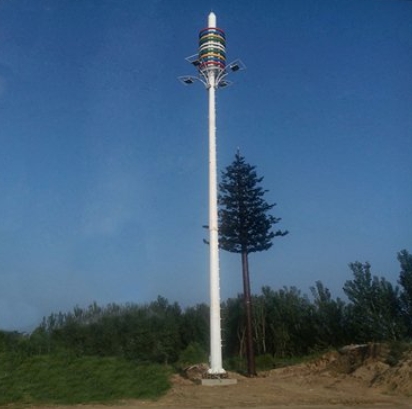
Modular design prefabricated towers represent a transformative approach to communication infrastructure deployment. By breaking down complex tower structures into standardized, pre-assembled components, organizations can dramatically reduce installation timelines while maintaining structural integrity and safety standards. Understanding how modular design prefabricated towers accelerate the installation process is essential for telecommunications operators, rural service providers, and infrastructure planners seeking cost-effective deployment strategies.

The installation speed advantage of modular design prefabricated towers stems from meticulous factory preparation and engineered compatibility. When towers arrive at installation sites as coherent, pre-tested units, field teams focus on assembly rather than fabrication, cutting deployment cycles from weeks to days. This shift fundamentally changes project economics and enables rapid network expansion in underserved regions.
How Modular Design Prefabricated Towers Reduce Installation Time
Factory Pre-Assembly and Quality Control
Modular design prefabricated towers undergo comprehensive assembly and testing in controlled factory environments before transportation. Each section of the tower structure is manufactured to exact specifications, pre-fitted with necessary hardware, grounding systems, and cable management provisions. This factory-stage preparation ensures that modular design prefabricated towers arrive at job sites as immediately deployable units, eliminating months of site-based fabrication work.
Quality control in factory settings produces superior results compared to field assembly. Engineers verify structural alignment, weld integrity, coating consistency, and electrical continuity before components leave the facility. When modular design prefabricated towers reach installation sites, teams can skip verification phases and proceed directly to foundation installation and unit connection, compressing the critical path significantly.
Standardized Connection Points and Integration Systems
The efficiency of modular design prefabricated towers depends on standardized interface design between components. Connection points are engineered to align automatically, with redundant alignment features preventing misalignment. Bolted joints, pin connections, and electrical interfaces use matched specifications across all tower sections, enabling rapid assembly without custom fitting or adjustment.
Modular design prefabricated towers incorporate integrated cable management, equipment mounting rails, and grounding conductors within the modular framework. Field teams no longer need to fabricate custom mounts, route cables through completed structures, or retrofit grounding systems. Every modular unit arrives complete with these systems pre-installed, enabling installation crews to focus on vertical assembly and final connections rather than internal system integration.
Labor Efficiency and Installation Workflow Optimization
Reduced On-Site Labor Requirements
Modular design prefabricated towers dramatically reduce on-site labor hours by shifting work to factory environments where specialized equipment, skilled technicians, and controlled conditions accelerate task completion. A tower that requires hundreds of labor hours in field fabrication may need only dozens in modular assembly. Installation teams for modular design prefabricated towers operate more like assembly coordinators than fabricators, positioning components and executing connections rather than fabricating structural elements.
The reduced skill requirements for assembly work expand the available labor pool for modular design prefabricated towers installation. While traditional tower fabrication demands experienced structural welders and fabricators, modular assembly requires primarily assembly technicians following standardized procedures. This shift enables faster team mobilization and reduces project delays caused by labor shortages in remote deployment regions.
Accelerated Installation Sequences
Modular design prefabricated towers enable parallel workflow execution impossible with traditional field fabrication. Foundation preparation can proceed simultaneously with equipment procurement, shipping, and site logistics planning. When foundations are complete, modular towers arrive fully prepared for assembly, and installation can commence immediately without waiting for fabrication to finish.
Installation sequences for modular design prefabricated towers follow predictable timelines because component preparation is complete before site work begins. Project managers can schedule equipment rental, crew availability, and logistics precisely because modular tower arrival dates are fixed. This predictability reduces weather-related delays, idle time, and schedule conflicts that plague traditional tower construction projects.
Cost Reduction and Economic Impact of Modular Tower Deployment
Transportation and Logistics Efficiency
Modular design prefabricated towers optimize transportation economics through standardized sizing and weight distribution. Components fit into standard shipping containers and flatbed configurations, reducing freight costs and expanding available carrier options. Factory preparation of modular design prefabricated towers allows pre-inspection and packaging that minimizes damage during transport and eliminates site-based damage assessment delays.
The logistics advantage of modular design prefabricated towers extends beyond transportation to site staging and material handling. Pre-assembled units requiring minimal on-site preparation reduce storage area demands and equipment rental periods. Modular towers arrive ready for deployment, eliminating expensive equipment layover time and reducing site congestion that slows concurrent installations.
Reduced Overall Project Costs
Accelerated installation timelines directly reduce project costs by shortening equipment rental periods, reducing crew housing expenses, and minimizing site supervision overhead. Modular design prefabricated towers compress installation from several weeks to days, proportionally reducing all time-based costs. Rural deployment projects benefit especially from compressed timelines because accommodation and transportation costs for field teams diminish significantly.
The investment in modular design prefabricated towers at the factory stage yields favorable returns through eliminated field fabrication costs and reduced rework expenses. Factory fabrication prevents weather delays, quality issues requiring correction, and schedule extensions common in field construction. When modular design prefabricated towers are deployed across multiple sites or repeated deployments, standardized components reduce per-unit manufacturing costs and enable economies of scale.
Implementation Considerations for Modular Tower Deployment
Site Preparation and Foundation Requirements
Modular design prefabricated towers require precise foundation preparation because assembly sequences depend on exact alignment and level surfaces. Foundation designs must accommodate modular unit dimensions and connection specifications. Site surveys become critical because modular design prefabricated towers cannot be field-adapted to site irregularities, requiring that foundations meet exact specifications before assembly commences.
Modular tower deployment demands that all environmental site preparation be complete before tower arrival. Access roads must support delivery vehicles, staging areas must accommodate modular components, and equipment must be positioned strategically. Advanced planning prevents delays where modular design prefabricated towers arrive but cannot be installed due to incomplete site preparation, eliminating the timeline advantage these systems provide.
Technical Integration and Equipment Compatibility
Modular design prefabricated towers integrate communication equipment, antenna mounts, and electrical systems following standardized specifications established before manufacturing. Equipment vendors must confirm compatibility with modular tower configurations, and equipment procurement must align with tower delivery schedules. The modularity advantage of modular design prefabricated towers depends on seamless equipment integration, requiring advance technical coordination and specification alignment.
Testing protocols for modular design prefabricated towers must verify structural integrity after assembly and confirm electrical system functionality before operational deployment. Modular towers undergo factory testing, but on-site assembly verification ensures that transportation and handling did not compromise structural components or electrical systems. This verification phase remains essential and must be scheduled into installation timelines for modular design prefabricated towers.
FAQ
How much faster is installation with modular design prefabricated towers compared to traditional tower construction?
Modular design prefabricated towers typically reduce installation timelines from 4-8 weeks to 5-10 days, representing 80-90% reduction in on-site assembly time. The exact acceleration depends on tower height, equipment complexity, and site conditions. Modular towers eliminate field fabrication entirely, compressing the timeline to foundation curing, component assembly, and equipment integration only. For rural deployments where site access is limited, modular design prefabricated towers provide even greater advantages because simplified assembly procedures accommodate less specialized labor and shorter crew mobilization cycles.
What are the main challenges when installing modular design prefabricated towers?
Site preparation precision is the primary challenge with modular design prefabricated towers because components cannot be field-adapted to irregularities. Foundations must meet exact specifications, and staging areas require careful planning. Additionally, modular design prefabricated towers demand advance equipment procurement and compatibility verification because assembly schedules are inflexible. Weather protection during assembly and logistics coordination also require careful management, though these challenges are far less significant than the field fabrication complexities of traditional towers.
Can modular design prefabricated towers be customized for specific applications?
Modular design prefabricated towers offer standardized configurations optimized for rapid deployment, but customization is possible during the design and manufacturing phase. Specific height requirements, equipment load specifications, and environmental conditions can be accommodated through factory design modifications. However, extensive customization reduces the modular efficiency advantage because it increases manufacturing complexity and extends timelines. The greatest value of modular design prefabricated towers emerges when deployments follow standard specifications, enabling maximum factory preparation and rapid field assembly. Custom configurations should be evaluated carefully to ensure that added capability justifies longer lead times and increased costs.