 EN
EN


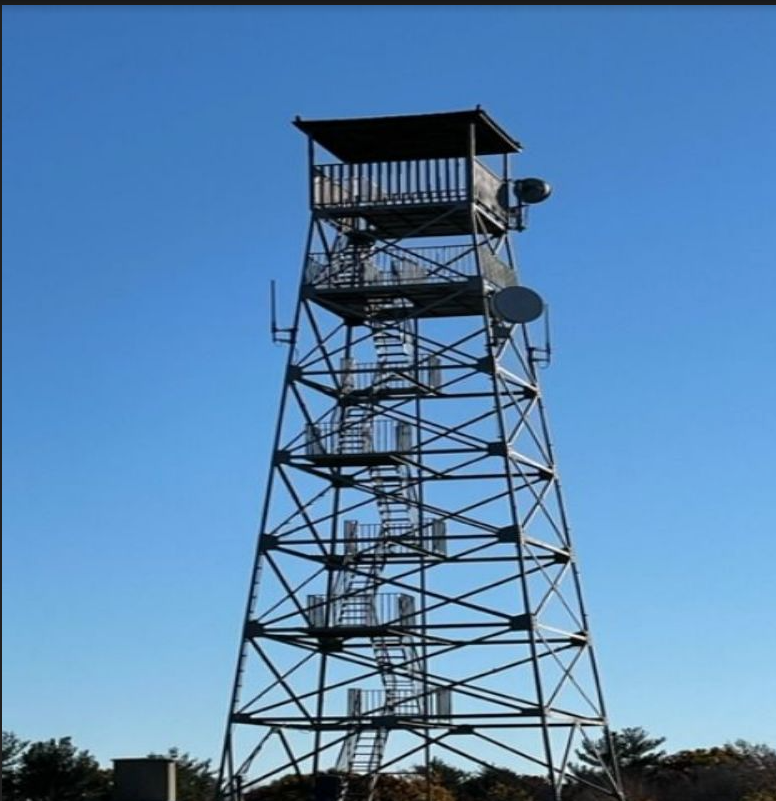
Watch towers serve as critical infrastructure for surveillance, safety monitoring, and operational oversight across industrial, agricultural, and security applications. The structural integrity and safety of these installations depend fundamentally on the quality of construction materials and the methods used to fabricate them. Industrial-grade steel fabrication techniques play an essential role in ensuring that watch towers meet stringent safety standards, withstand environmental stresses, and provide reliable performance over decades of operation. Understanding how modern steel fabrication techniques enhance watch tower safety is crucial for organizations planning to invest in these installations.
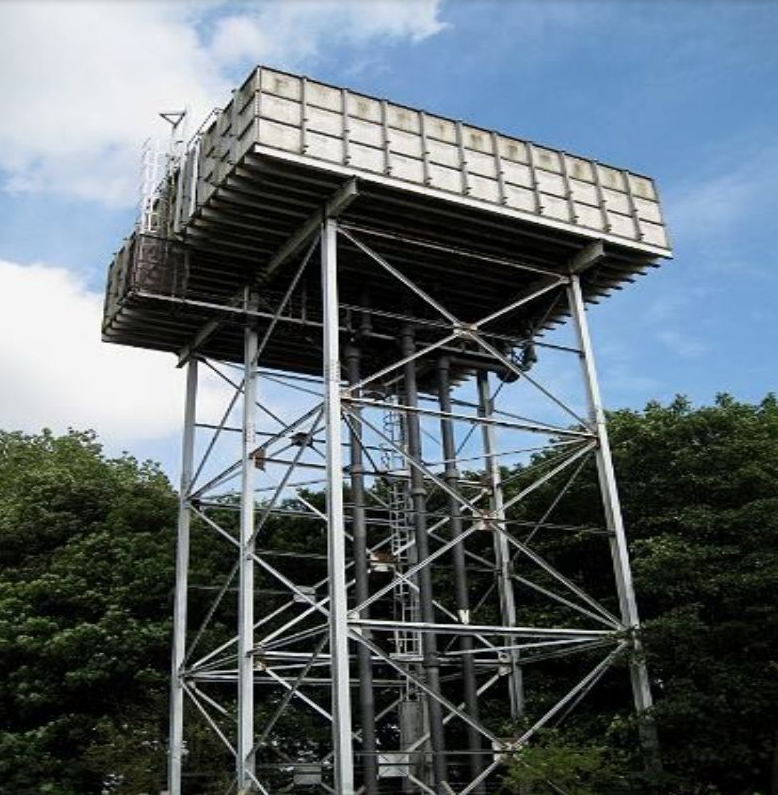
The relationship between steel fabrication techniques and watch tower safety encompasses material selection, welding quality, corrosion prevention, and precision engineering. Each of these elements directly impacts the structural reliability, load-bearing capacity, and longevity of the tower. Professional steel fabrication techniques ensure that every component meets exact specifications, reducing the risk of structural failures and extending the operational lifespan of the installation. This article explores the key steel fabrication techniques that enhance watch tower safety and why they matter for critical infrastructure applications.
The Foundation of Watch Tower Safety Through Steel Fabrication Techniques
Material Selection and Grade Specifications
The first step in implementing effective steel fabrication techniques for watch towers involves selecting the correct steel grade for the application. High-strength structural steel grades, such as ASTM A36, ASTM A572, or weathering steel varieties, provide the foundation for safe tower construction. Advanced steel fabrication techniques begin with rigorous material testing and certification, ensuring that the steel meets minimum tensile strength, yield strength, and impact resistance requirements. The choice of steel grade directly affects the tower's ability to withstand wind loads, seismic activity, and environmental stresses. Quality steel fabrication techniques include comprehensive material inspection protocols that verify chemical composition, mechanical properties, and surface condition before any fabrication work begins.
Precision Cutting and Component Preparation
Modern steel fabrication techniques employ advanced cutting methods such as plasma cutting, laser cutting, and oxy-fuel cutting to achieve precise dimensional accuracy. These steel fabrication techniques ensure that every component fits perfectly during assembly, reducing gaps, misalignments, and stress concentrations that could compromise tower safety. Precision-cut components also minimize material waste and improve the efficiency of the overall fabrication process. The quality of cuts directly influences welding quality and the final structural integrity of the watch tower. Professional steel fabrication techniques include comprehensive dimensional verification at every cutting stage to guarantee compliance with engineered specifications.
Welding Excellence as a Critical Steel Fabrication Technique
Advanced Welding Methods and Quality Control
Welding represents one of the most critical steel fabrication techniques for watch tower construction, as the strength of welds directly determines the tower's structural safety. Industrial-grade steel fabrication techniques utilize multiple welding methods, including shielded metal arc welding (SMAW), gas metal arc welding (GMAW), and flux-cored arc welding (FCAW), each selected based on material thickness and joint geometry. Advanced steel fabrication techniques incorporate pre-weld and post-weld inspections using ultrasonic testing, radiographic examination, and magnetic particle inspection to detect internal defects, cracks, and porosity. Certified welders who understand the metallurgical properties of the steel being fabricated are essential to achieving high-quality results. Temperature control during welding, proper heat treatment, and stress relief are integral steel fabrication techniques that prevent brittle fracture and ensure ductile behavior under load.
Stress Relief and Heat Treatment Protocols
Steel fabrication techniques for watch towers must include comprehensive stress relief and heat treatment procedures that eliminate residual stresses introduced during welding and cutting operations. Post-weld heat treatment (PWHT) is a critical steel fabrication technique that improves the mechanical properties of welded joints and reduces the risk of delayed cracking in high-strength steels. The controlled heating and cooling cycles used in advanced steel fabrication techniques help normalize the microstructure around welds, creating more uniform strength and toughness throughout the tower structure. These steel fabrication techniques add time and cost to the fabrication process but provide essential insurance against structural failures and ensure that the watch tower will perform safely under all operational conditions.
Corrosion Protection and Surface Treatment in Steel Fabrication Techniques
Galvanizing and Protective Coating Systems
Environmental exposure represents a significant threat to watch tower safety, making corrosion prevention a vital component of steel fabrication techniques. Hot-dip galvanizing is one of the most effective steel fabrication techniques for protecting steel towers from rust and degradation, creating a dense zinc coating that provides decades of corrosion resistance even in harsh climates. Advanced steel fabrication techniques incorporate dual-layer protection systems that combine galvanizing with organic topcoats, offering superior long-term durability. The quality of galvanizing depends directly on proper surface preparation, including degreasing, pickling, and fluxing procedures that are part of comprehensive steel fabrication techniques. Professional steel fabrication techniques ensure that all interior surfaces, joints, and hard-to-reach areas receive adequate protection, preventing corrosion that could initiate from hidden locations.
Inspection and Quality Assurance in Corrosion Protection
Steel fabrication techniques for watch towers must include rigorous inspection of all protective coatings to verify uniform coverage and adequate thickness. Inspection methods such as magnetic induction testing and X-ray fluorescence are part of advanced steel fabrication techniques that ensure coating quality before the tower leaves the fabrication facility. Comprehensive documentation of coating application procedures, environmental conditions during application, and inspection results are essential components of professional steel fabrication techniques. These quality assurance measures guarantee that the protective systems will perform as designed, maintaining structural integrity and safety over the tower's operational lifespan. Deficient coatings discovered during fabrication are immediately remediated using steel fabrication techniques tailored to the specific defect.
Assembly, Inspection, and Final Safety Verification
Precision Assembly and Dimensional Control
The assembly phase of watch tower construction represents a critical application of steel fabrication techniques that directly impacts structural safety. Advanced steel fabrication techniques utilize computer-aided design (CAD) systems and 3D modeling to verify component fit and identify potential assembly issues before construction begins. Precision fixtures, alignment devices, and bolting procedures are integral steel fabrication techniques that ensure perfect alignment and prevent distortion during assembly. Every fastener, bolt, and connection point is torqued to specification using calibrated tools, as part of comprehensive steel fabrication techniques that prevent loose connections and stress concentrations. Final dimensional verification using laser scanning and coordinate measurement machines confirms that the assembled tower meets all engineered specifications.
Non-Destructive Testing and Safety Certification
Before delivery and installation, watch towers must undergo comprehensive non-destructive testing (NDT) that is part of professional steel fabrication techniques. Ultrasonic testing, radiography, eddy current testing, and visual inspection are steel fabrication techniques employed to verify the absence of internal defects, surface cracks, and material inconsistencies. Load testing and proof testing of critical connections may be performed as part of advanced steel fabrication techniques to verify that the tower will safely support its intended design loads. Complete documentation of all testing results, certifications, and compliance with relevant standards becomes part of the tower's permanent safety record. These steel fabrication techniques provide confidence that the finished watch tower meets all safety requirements and is ready for reliable, long-term operation in its intended application.
FAQ
What role do steel fabrication techniques play in preventing watch tower failures?
Steel fabrication techniques directly prevent tower failures by ensuring precise material selection, high-quality welding, effective corrosion protection, and rigorous inspection at every fabrication stage. These techniques eliminate defects and stress concentrations that could lead to structural collapse under load or environmental exposure. Proper steel fabrication techniques guarantee that every component meets engineering specifications and performs safely throughout the tower's operational life, reducing the risk of catastrophic failure.
How do modern steel fabrication techniques compare to traditional watch tower construction methods?
Modern steel fabrication techniques employ advanced tools, precision measurement systems, and comprehensive quality controls that far exceed traditional methods. Computer-aided design, ultrasonic testing, and automated welding represent significant improvements in consistency and safety compared to older fabrication approaches. These contemporary steel fabrication techniques reduce human error, improve reproducibility, and enable consistent production of high-quality watch towers that meet current safety and durability standards.
Are there specific steel fabrication techniques required for watch towers in corrosive environments?
Yes, watch towers exposed to coastal salt air, chemical plants, or other corrosive environments require enhanced steel fabrication techniques focused on corrosion protection. Hot-dip galvanizing combined with advanced organic coatings, stainless steel fasteners, and protective drainage systems are specialized steel fabrication techniques for harsh environments. Additionally, enhanced surface preparation and inspection procedures are part of steel fabrication techniques designed to maximize protection and extend the service life of towers in corrosive settings.