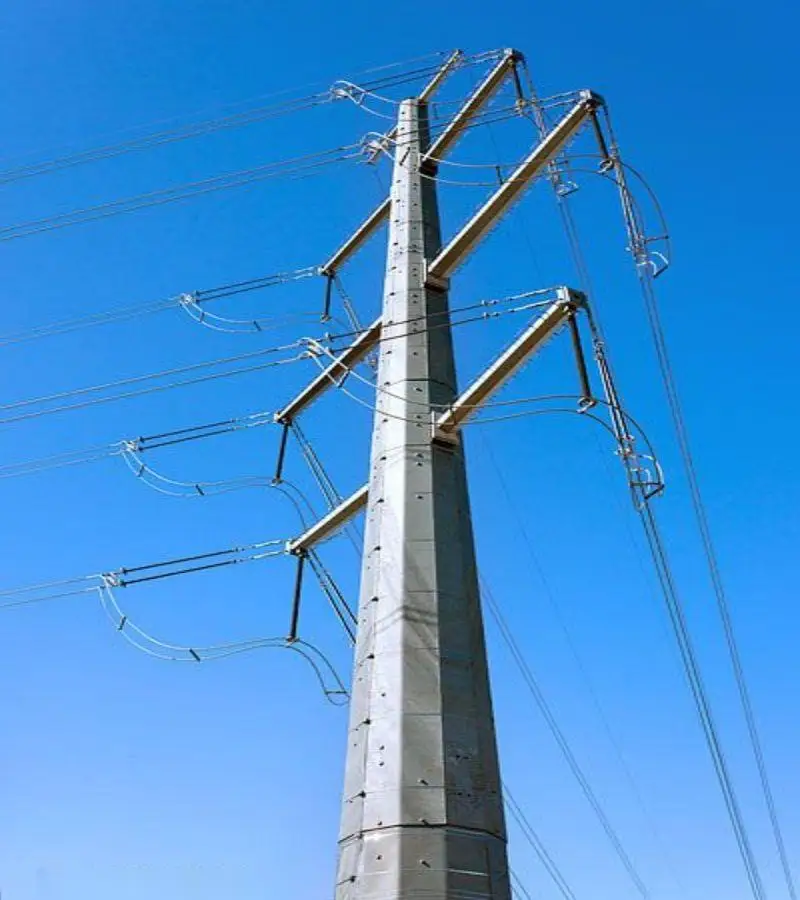
Rooftop Telecommunication Tower Solutions: Advanced Wireless Infrastructure for Urban Networks

Get a Free Quote

Our representative will contact you soon.
Email
Name
Company Name
Message
0/1000

rooftop telecommunication tower

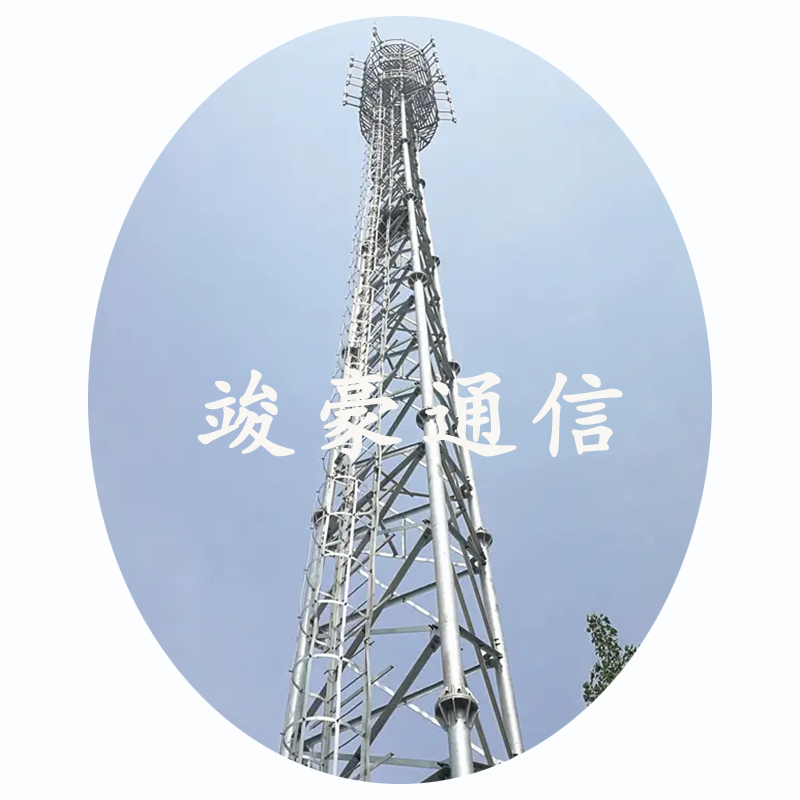
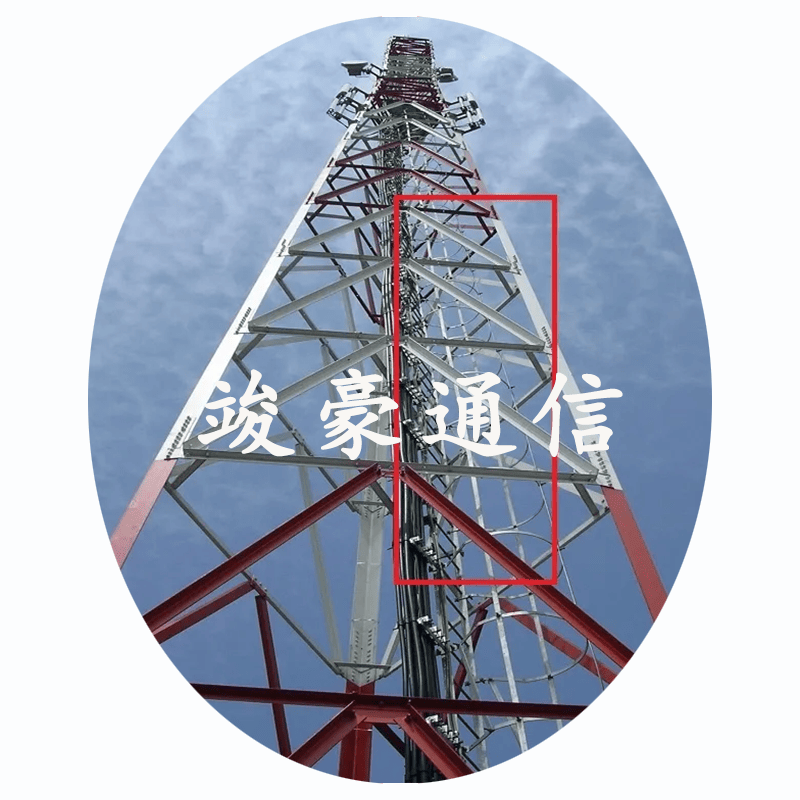
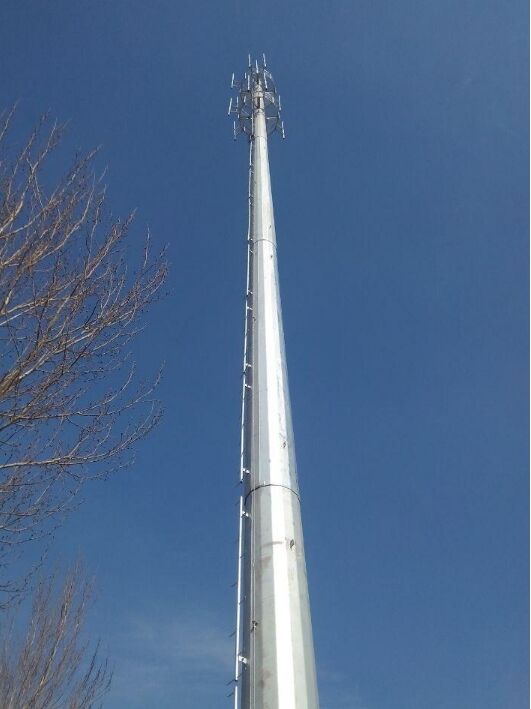
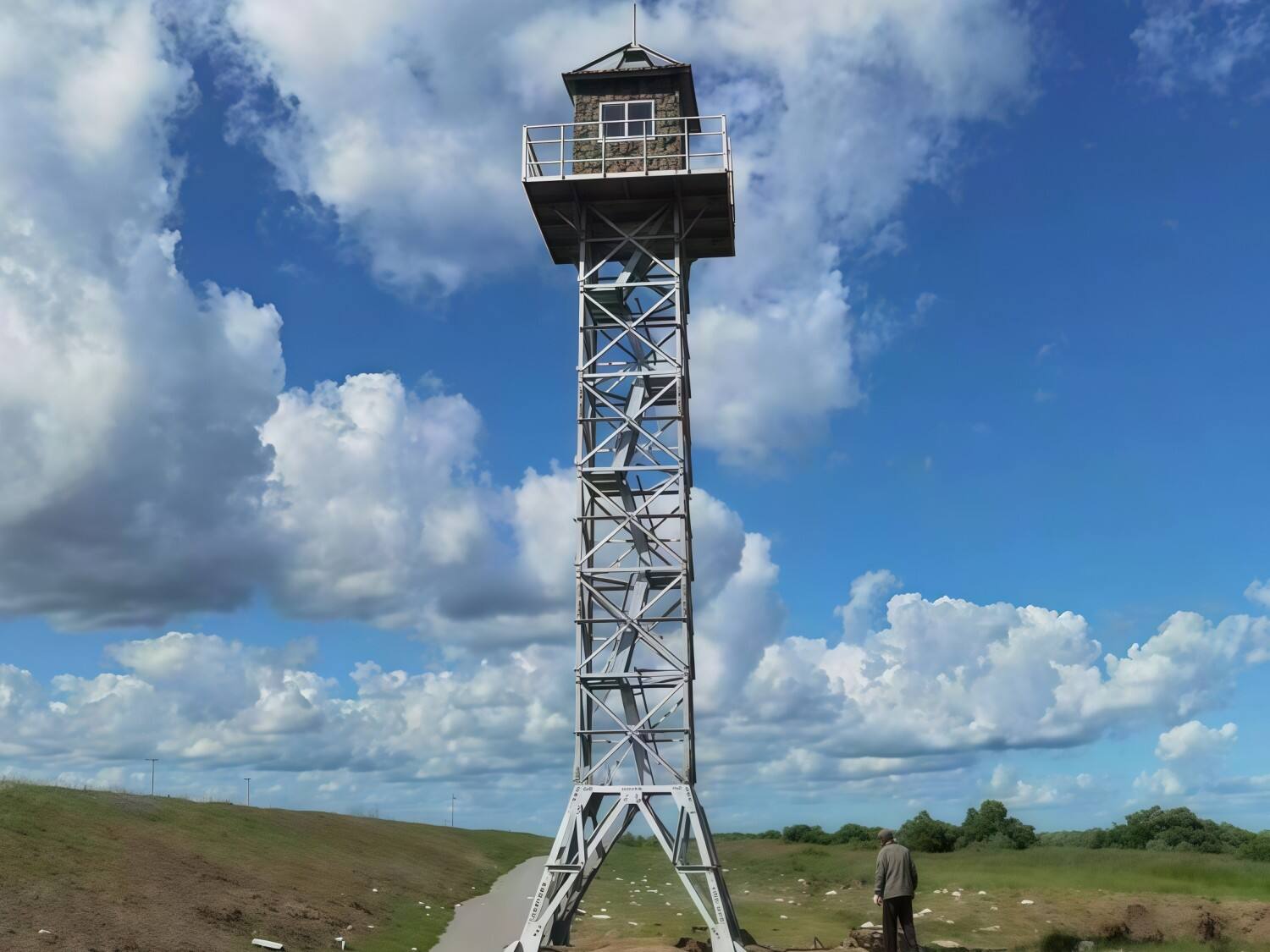
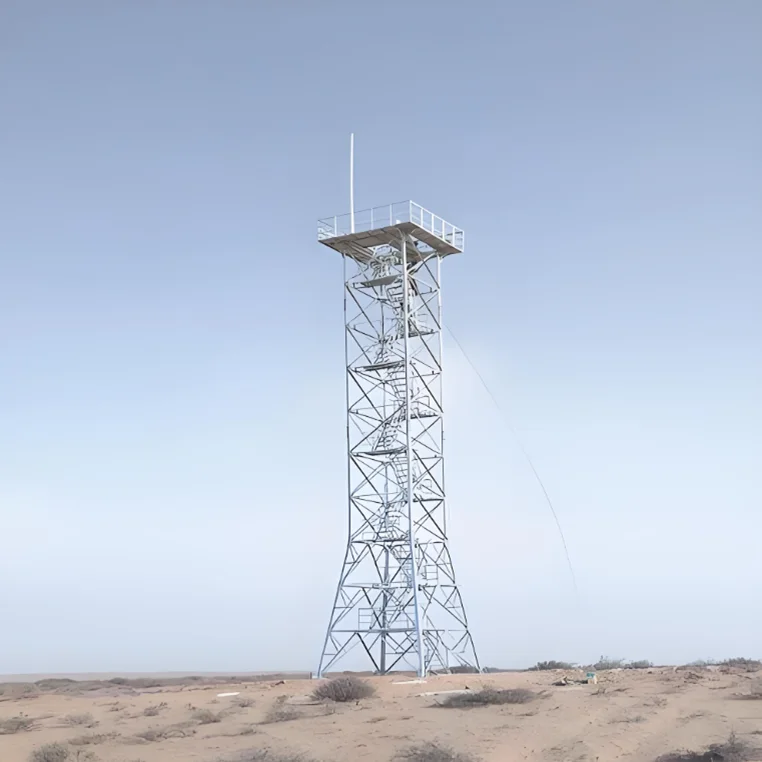
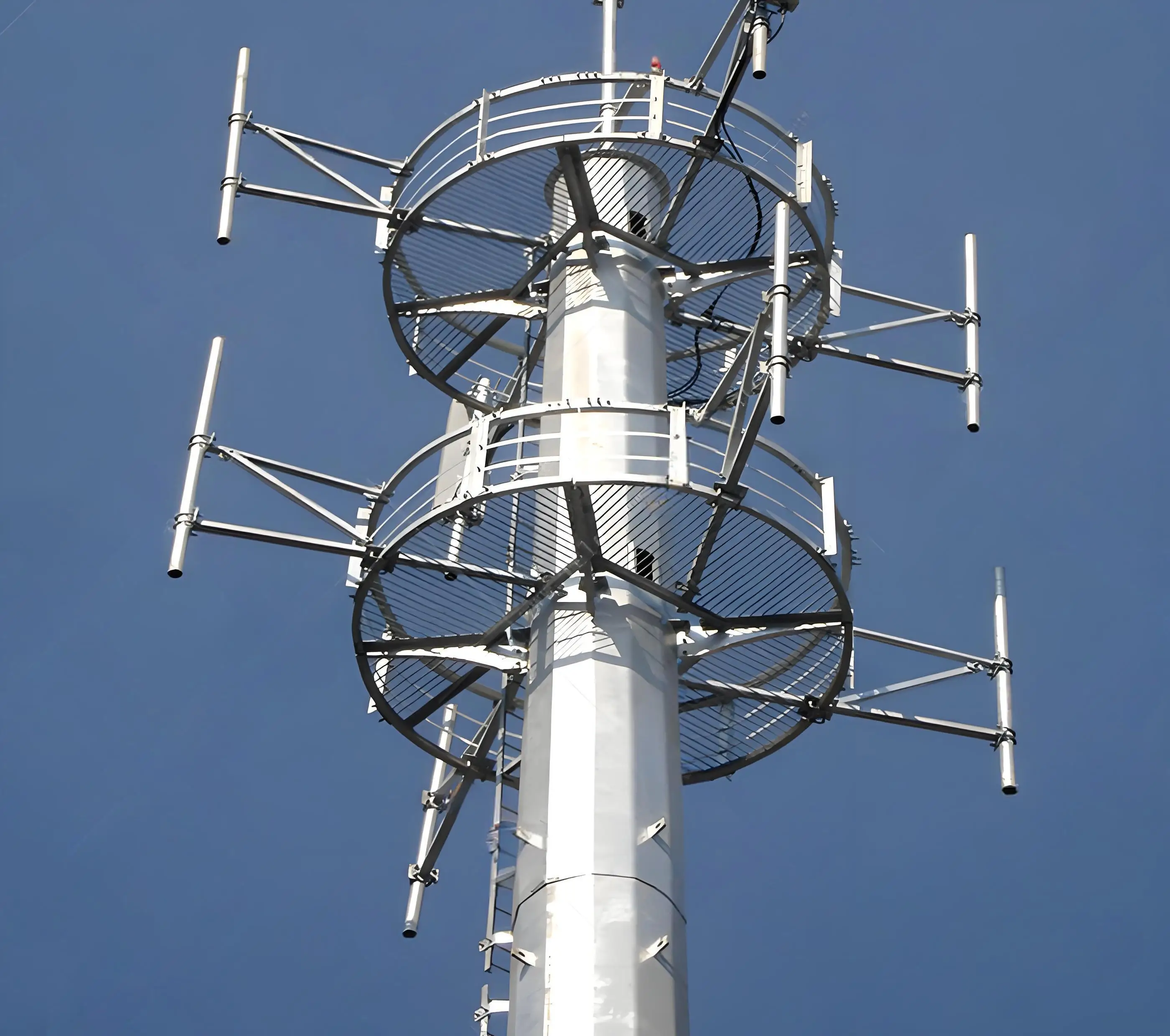
A rooftop telecommunication tower represents a critical infrastructure component designed to facilitate wireless communication services across urban and suburban environments. These specialized structures are strategically positioned on building rooftops to maximize signal coverage while minimizing ground-level space requirements. The rooftop telecommunication tower serves as a mounting platform for various communication equipment including antennas, transmitters, receivers, and signal processing devices that enable cellular networks, internet connectivity, and broadcast services. Modern rooftop telecommunication towers incorporate advanced engineering principles to withstand environmental challenges such as wind loads, seismic activity, and weather extremes. The tower's primary function involves signal transmission and reception across multiple frequency bands, supporting 4G LTE, 5G networks, and emerging communication technologies. These towers feature modular designs that accommodate multiple service providers simultaneously, creating shared infrastructure solutions that reduce deployment costs and environmental impact. Technological features include lightning protection systems, grounding networks, and surge protection devices that safeguard expensive communication equipment. The rooftop telecommunication tower typically incorporates galvanized steel construction with anti-corrosion coatings to ensure longevity in harsh environmental conditions. Height configurations range from compact installations suitable for dense urban areas to extended structures that provide broader coverage zones. Integration capabilities allow seamless connection with existing building infrastructure, including power systems, HVAC units, and structural supports. Advanced monitoring systems enable remote diagnostics and performance optimization, ensuring consistent service quality. The rooftop telecommunication tower supports multiple antenna configurations including directional, omnidirectional, and sector antennas that can be adjusted for optimal signal propagation. These installations play a vital role in modern communication networks by providing reliable connectivity for residential, commercial, and emergency services while maintaining aesthetic considerations important to property owners and community stakeholders.


Popular Products

The rooftop telecommunication tower offers numerous practical benefits that make it an attractive solution for wireless communication infrastructure deployment. Property owners gain significant financial advantages through lease agreements with telecommunications companies, creating steady passive income streams that can span decades. This revenue potential often exceeds traditional rental income from other rooftop installations, providing substantial returns on investment while requiring minimal ongoing maintenance from the property owner. Installation costs remain lower compared to ground-based towers because existing building structures provide foundational support, eliminating the need for extensive excavation and concrete foundations. The elevated positioning of rooftop telecommunication towers naturally enhances signal coverage and quality by reducing interference from ground-level obstacles such as buildings, vegetation, and terrain variations. This strategic placement improves network performance for end users while reducing the number of towers needed to serve specific geographical areas. Urban environments particularly benefit from rooftop installations because they maximize limited space utilization in densely populated areas where ground space commands premium prices. The rooftop telecommunication tower integrates seamlessly with existing building systems, utilizing established electrical infrastructure and access pathways that simplify maintenance procedures. Environmental impact remains minimal since these installations avoid disrupting natural landscapes or requiring new construction sites that could affect wildlife habitats or agricultural land. Zoning approvals typically process faster for rooftop installations because they represent modifications to existing structures rather than new construction projects, reducing regulatory delays and associated costs. Telecommunications companies benefit from accelerated deployment timelines that enable faster network expansion and service improvements. The rooftop telecommunication tower provides superior network reliability through redundant connectivity options and reduced vulnerability to ground-level disruptions such as vehicle accidents or construction activities. Maintenance access remains convenient through existing building infrastructure, reducing service interruption times and operational expenses. These towers support multiple wireless technologies simultaneously, creating versatile platforms that adapt to evolving communication standards without requiring complete replacement. Community acceptance increases because rooftop installations maintain neighborhood aesthetics better than traditional tower structures while still providing essential communication services that residents and businesses depend on daily.

Latest News

Tower Talk: The Great Self - Standing vs Guyed Tower Debate

13

Oct

Tower Talk: The Great Self - Standing vs Guyed Tower Debate

View More
The Urban Chameleons: Tree-Like Towers

13

Oct

The Urban Chameleons: Tree-Like Towers

View More
Analysis of the Applicability of Angle Steel Towers and Tubular Towers in Different Terrain Conditio

13

Oct

Analysis of the Applicability of Angle Steel Towers and Tubular Towers in Different Terrain Conditio

View More
Comparative Analysis of Three-Legged Angle Steel Towers and Three-Legged Tubular Towers

13

Oct

Comparative Analysis of Three-Legged Angle Steel Towers and Three-Legged Tubular Towers

View More

Get a Free Quote

Our representative will contact you soon.
Email
Name
Company Name
Message
0/1000

rooftop telecommunication tower

Superior Signal Coverage and Network Performance

Superior Signal Coverage and Network Performance

The rooftop telecommunication tower delivers exceptional signal coverage and network performance through its strategic elevated positioning and advanced antenna technology. This positioning advantage allows signals to travel over obstacles that typically interfere with ground-level transmissions, including buildings, trees, and geographical features that can create dead zones or weak signal areas. The height advantage provided by rooftop installation significantly extends the effective range of each antenna, reducing the total number of towers required to serve a given population area. This efficiency translates into cost savings for telecommunications providers and improved service quality for end users who experience fewer dropped calls, faster data speeds, and more reliable internet connectivity. Modern rooftop telecommunication towers incorporate sophisticated antenna arrays that can be precisely configured to optimize signal propagation patterns based on local geographical conditions and user density patterns. These systems support beamforming technology that focuses radio frequency energy toward specific areas where users are located, improving signal strength while reducing interference with adjacent cells. The elevated position also enables line-of-sight connections with other network infrastructure components, creating robust backhaul connections that ensure high-speed data flow between network nodes. Advanced signal processing equipment mounted on rooftop telecommunication towers can simultaneously support multiple frequency bands and communication protocols, enabling seamless transitions between 4G LTE and 5G networks as users move throughout the coverage area. This multi-technology capability ensures future-proof installations that can adapt to evolving communication standards without requiring complete equipment replacement. The superior positioning of rooftop installations also reduces signal reflection and multipath interference that commonly affects ground-level installations in urban environments, resulting in clearer voice communications and faster data transmission speeds that enhance user experience across all connected devices and applications.
Cost-Effective Infrastructure Solution with Rapid Deployment

Cost-Effective Infrastructure Solution with Rapid Deployment

The rooftop telecommunication tower represents a highly cost-effective infrastructure solution that delivers rapid deployment capabilities compared to traditional ground-based tower construction. This approach eliminates the substantial expenses associated with land acquisition, site preparation, and foundation construction that are typically required for conventional tower installations. Property owners benefit from this arrangement through lucrative lease agreements that provide consistent monthly revenue while requiring minimal investment or ongoing maintenance responsibilities. The existing building structure provides the necessary foundation support, reducing installation time from months to weeks and significantly lowering capital expenditure requirements for telecommunications companies. Rapid deployment capabilities enable service providers to respond quickly to changing market demands and coverage requirements, particularly in high-growth urban areas where communication needs evolve rapidly. The rooftop telecommunication tower utilizes existing building infrastructure including electrical systems, security measures, and access pathways, further reducing installation complexity and associated costs. Permitting processes typically proceed faster for rooftop installations because they involve modifications to existing structures rather than new construction projects that require extensive environmental impact assessments and community approvals. This streamlined approval process accelerates time-to-market for new communication services and network upgrades. Maintenance costs remain lower throughout the operational lifecycle because technicians can access equipment through established building systems rather than requiring specialized vehicles or complex safety equipment needed for tall free-standing towers. The shared infrastructure model allows multiple service providers to utilize the same rooftop telecommunication tower installation, distributing costs among several companies while maximizing revenue potential for property owners. This collaborative approach reduces the total number of individual tower installations needed in any given area, minimizing visual impact and regulatory challenges while still meeting comprehensive coverage requirements. The cost-effectiveness extends to equipment upgrades and technology refresh cycles, as the modular design of rooftop installations allows for component replacement without disrupting the entire system, ensuring continued service availability during maintenance periods.
Enhanced Urban Integration and Community Acceptance

Enhanced Urban Integration and Community Acceptance

The rooftop telecommunication tower excels in urban integration and community acceptance by maintaining neighborhood aesthetics while providing essential wireless communication services that modern communities require. Unlike traditional free-standing towers that can dominate skylines and generate community opposition, rooftop installations blend seamlessly with existing architectural elements and urban infrastructure. This integration approach addresses common concerns about visual pollution and property value impacts that often arise with conventional tower proposals. The rooftop telecommunication tower design can incorporate architectural elements that complement building styles and neighborhood character, using materials and colors that match existing structures. This attention to aesthetic integration helps maintain community support while ensuring that essential communication infrastructure continues to expand as population growth and data demands increase. Urban planning benefits significantly from rooftop installations because they maximize limited space utilization in densely populated areas where ground-level real estate commands premium prices and faces intense competition from commercial and residential development. The reduced visual footprint of rooftop telecommunication towers makes them particularly suitable for historic districts and environmentally sensitive areas where traditional tower construction might face regulatory restrictions or community resistance. Property values typically remain stable or increase when buildings host rooftop telecommunication installations because the steady lease income demonstrates additional revenue potential that can be attractive to future buyers or investors. Community safety benefits from improved wireless coverage include enhanced emergency services communication, better public safety response coordination, and increased reliability for critical communication systems during natural disasters or emergency situations. The rooftop telecommunication tower supports smart city initiatives by providing the wireless infrastructure foundation needed for connected traffic systems, environmental monitoring, and digital public services that improve quality of life for residents. Educational institutions and healthcare facilities particularly benefit from rooftop installations that can provide dedicated network capacity for research activities, telemedicine services, and distance learning programs that serve community needs. The installation process causes minimal disruption to daily activities because construction occurs on rooftops rather than in public spaces, reducing traffic impacts and noise concerns that typically accompany ground-based tower construction projects.

Get a Free Quote

Our representative will contact you soon.
Email
Name
Company Name
Message
0/1000