microwave tower manufacturers
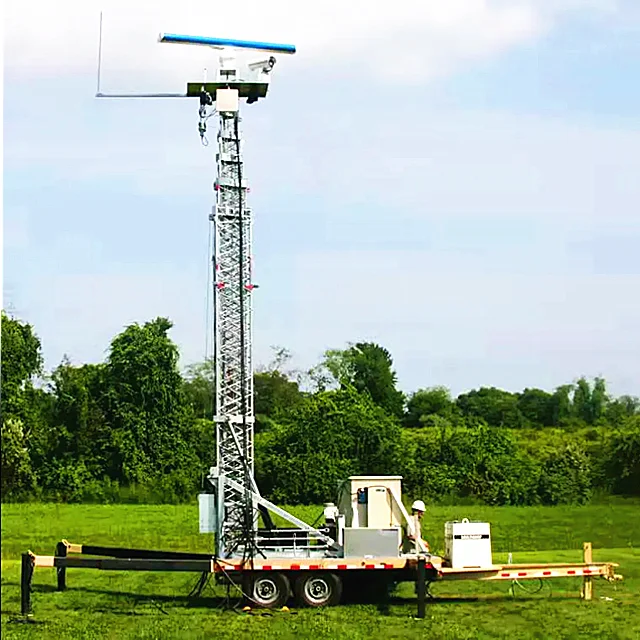
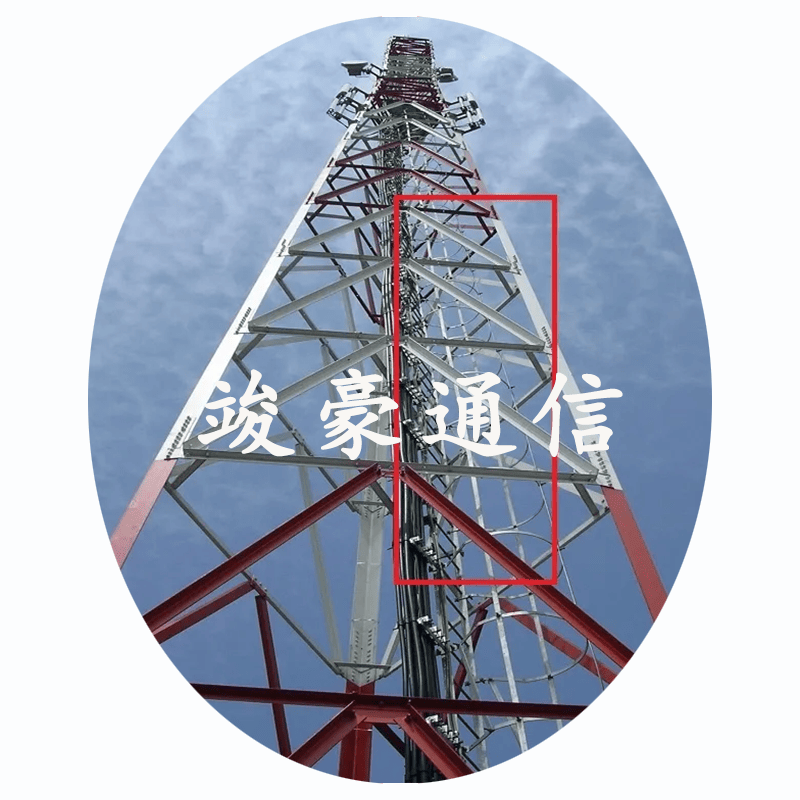
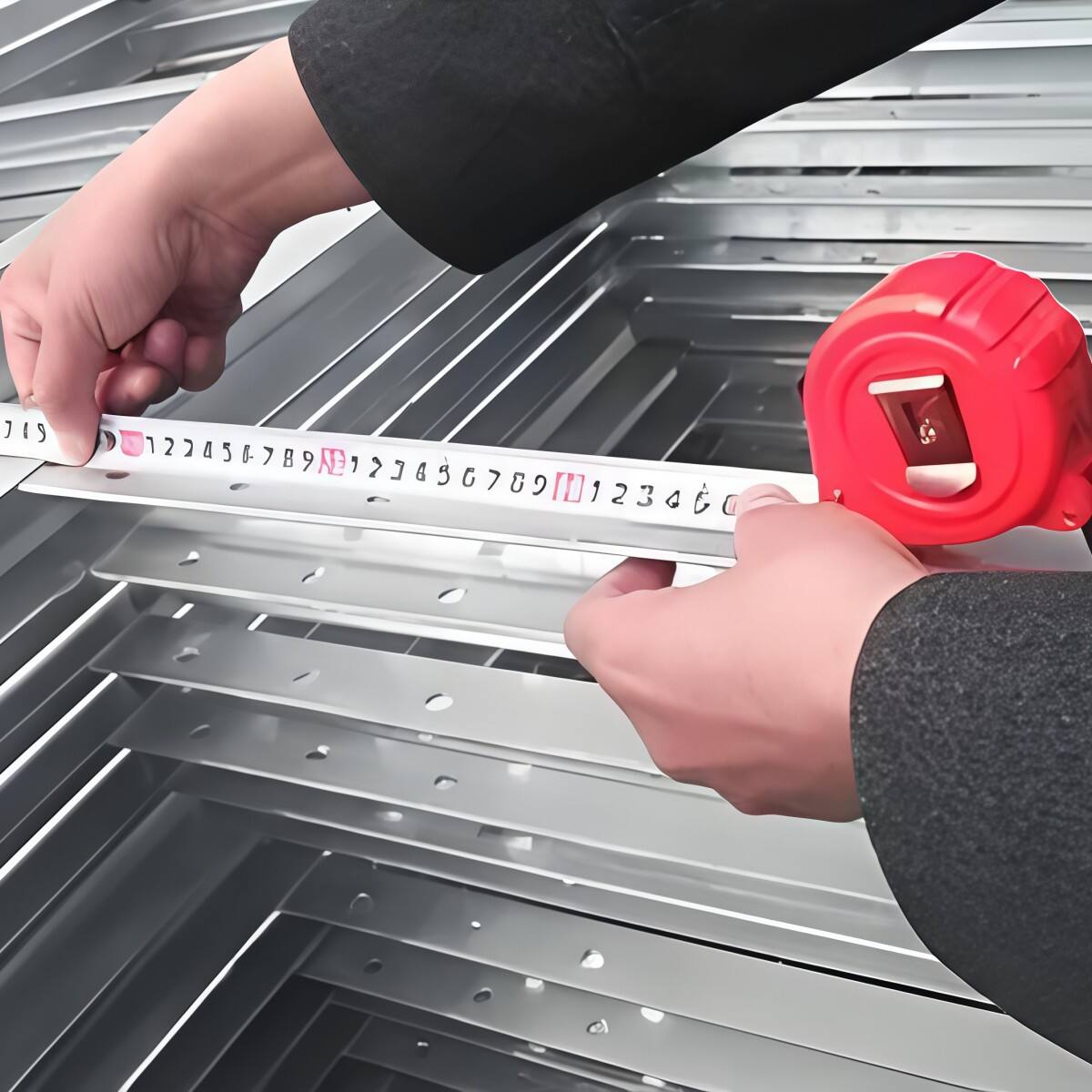
Microwave tower manufacturers represent a crucial sector in modern telecommunications infrastructure, designing and producing specialized tower structures that support wireless communication networks across the globe. These companies create robust steel and composite towers specifically engineered to mount microwave antennas, which transmit high-frequency radio signals for cellular networks, internet backbone connections, and broadcasting services. The primary function of these towers extends beyond simple antenna mounting, as they must provide stable platforms that withstand extreme weather conditions while maintaining precise alignment for optimal signal transmission. Leading microwave tower manufacturers incorporate advanced materials science and structural engineering principles to create products that deliver exceptional durability and performance. Their technological features include galvanized steel construction for corrosion resistance, modular designs that facilitate easy installation and maintenance, and precise engineering calculations that ensure structural integrity under various load conditions. Modern microwave tower manufacturers utilize computer-aided design software and finite element analysis to optimize tower performance while minimizing material costs. These structures typically feature guy-wire systems or self-supporting configurations, depending on site requirements and local building codes. Applications for these towers span multiple industries, including telecommunications service providers who rely on microwave links for network backhaul, broadcasting companies requiring transmission towers for radio and television signals, and emergency services needing reliable communication infrastructure. Microwave tower manufacturers also serve utility companies, government agencies, and private enterprises requiring secure communication networks. The manufacturing process involves precision welding, quality testing, and compliance with international standards such as TIA and EIA specifications. These manufacturers must balance structural strength with cost-effectiveness while ensuring their products meet regulatory requirements and environmental considerations across diverse geographical locations and climatic conditions.






 EN
EN