guyed tower for telecommunication
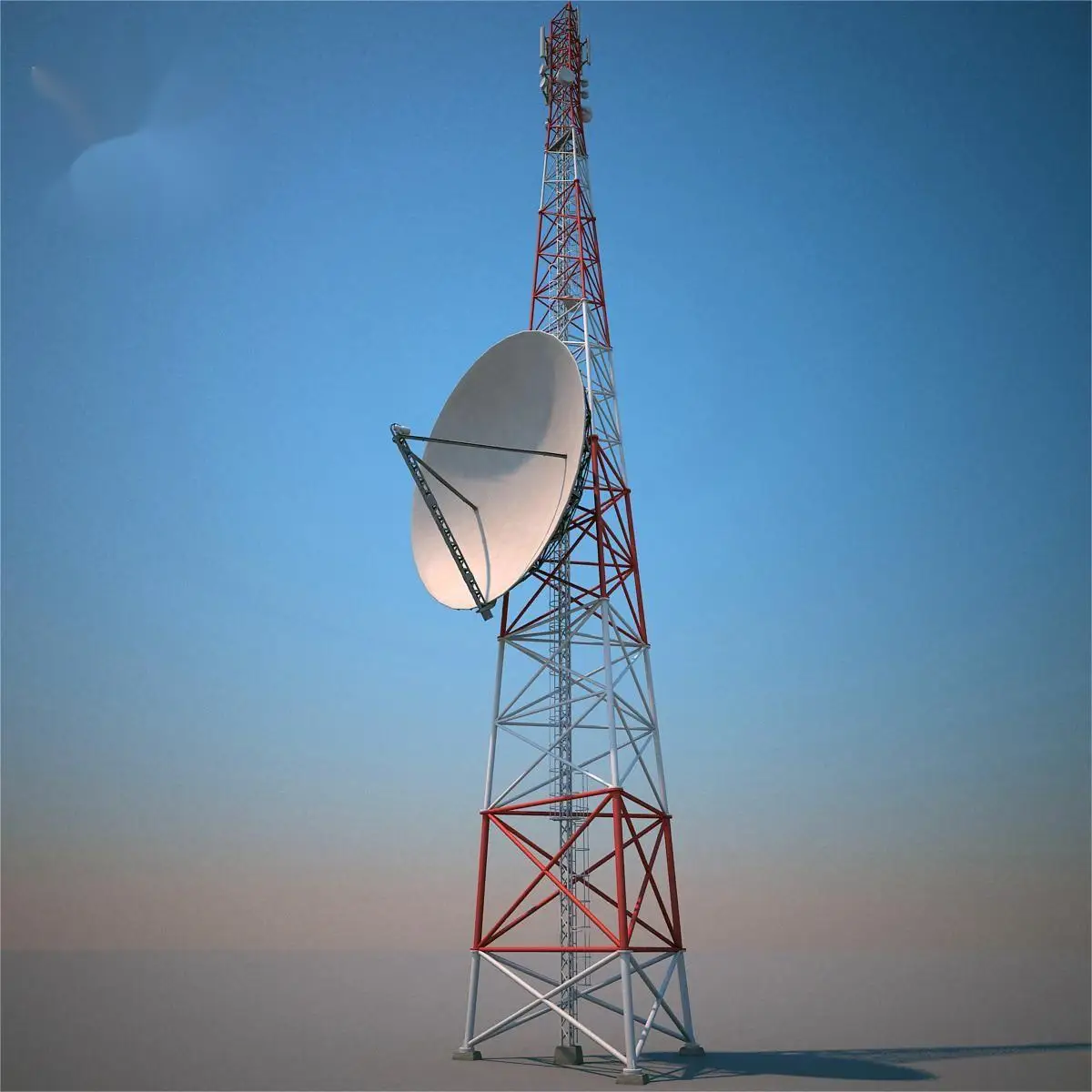
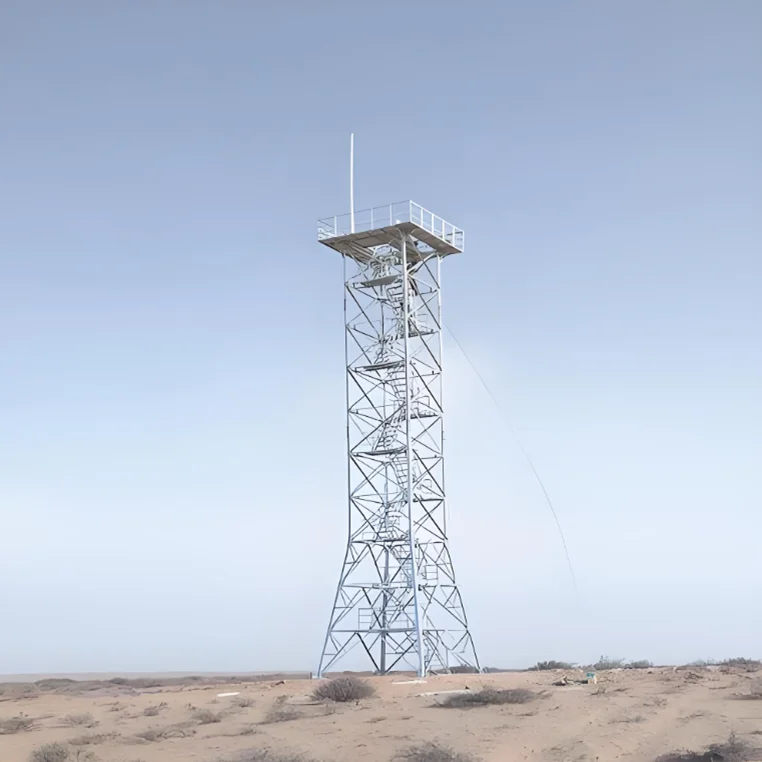
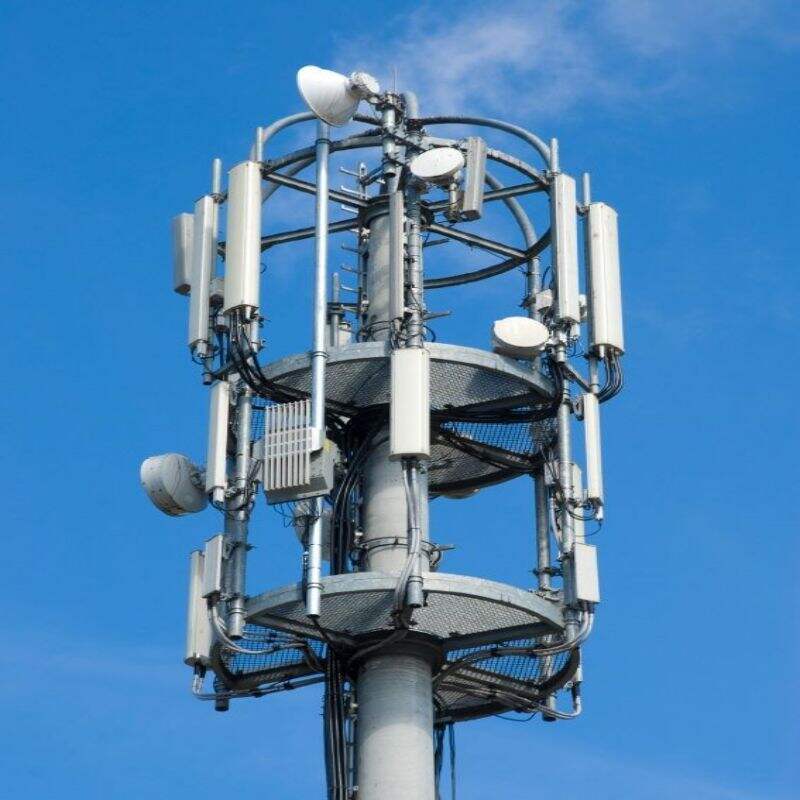
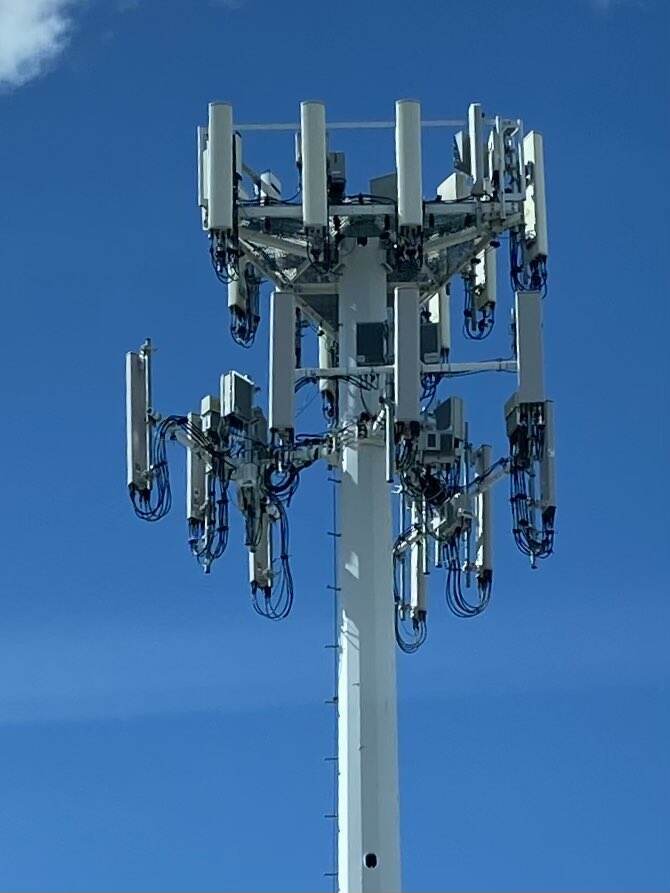
A guyed tower for telecommunication represents a fundamental infrastructure solution that serves as the backbone of modern wireless communication networks. This specialized structure consists of a tall, slender mast supported by multiple guy wires anchored to the ground at strategic points around the tower's base. The guyed tower for telecommunication design maximizes structural stability while minimizing material costs, making it an economical choice for mounting various communication equipment. These towers typically reach heights ranging from 200 to 2000 feet, providing extensive coverage areas for cellular, broadcasting, and microwave transmission services. The main functions of a guyed tower for telecommunication include supporting antennas, transmitters, receivers, and other critical equipment necessary for signal transmission and reception. The tower's height advantage enables signals to travel over greater distances and overcome geographical obstacles such as hills, buildings, and vegetation. Technologically, these structures incorporate advanced engineering principles that distribute structural loads through guy wire tension systems, creating exceptional stability even in severe weather conditions. The guyed tower for telecommunication features galvanized steel construction that resists corrosion and weathering, ensuring long-term durability and minimal maintenance requirements. Modern designs integrate lightning protection systems, aircraft warning lights, and climbing safety features to meet strict regulatory standards. Applications span across multiple sectors including cellular phone networks, television and radio broadcasting, emergency services communication, military installations, and internet service provider networks. The versatility of guyed tower for telecommunication installations allows for multi-tenant configurations where several service providers can share the same structure, optimizing resource utilization and reducing environmental impact. These towers support various frequency bands and accommodate future technology upgrades without requiring complete reconstruction, making them invaluable assets for evolving communication infrastructure needs.



 EN
EN