electric tower line
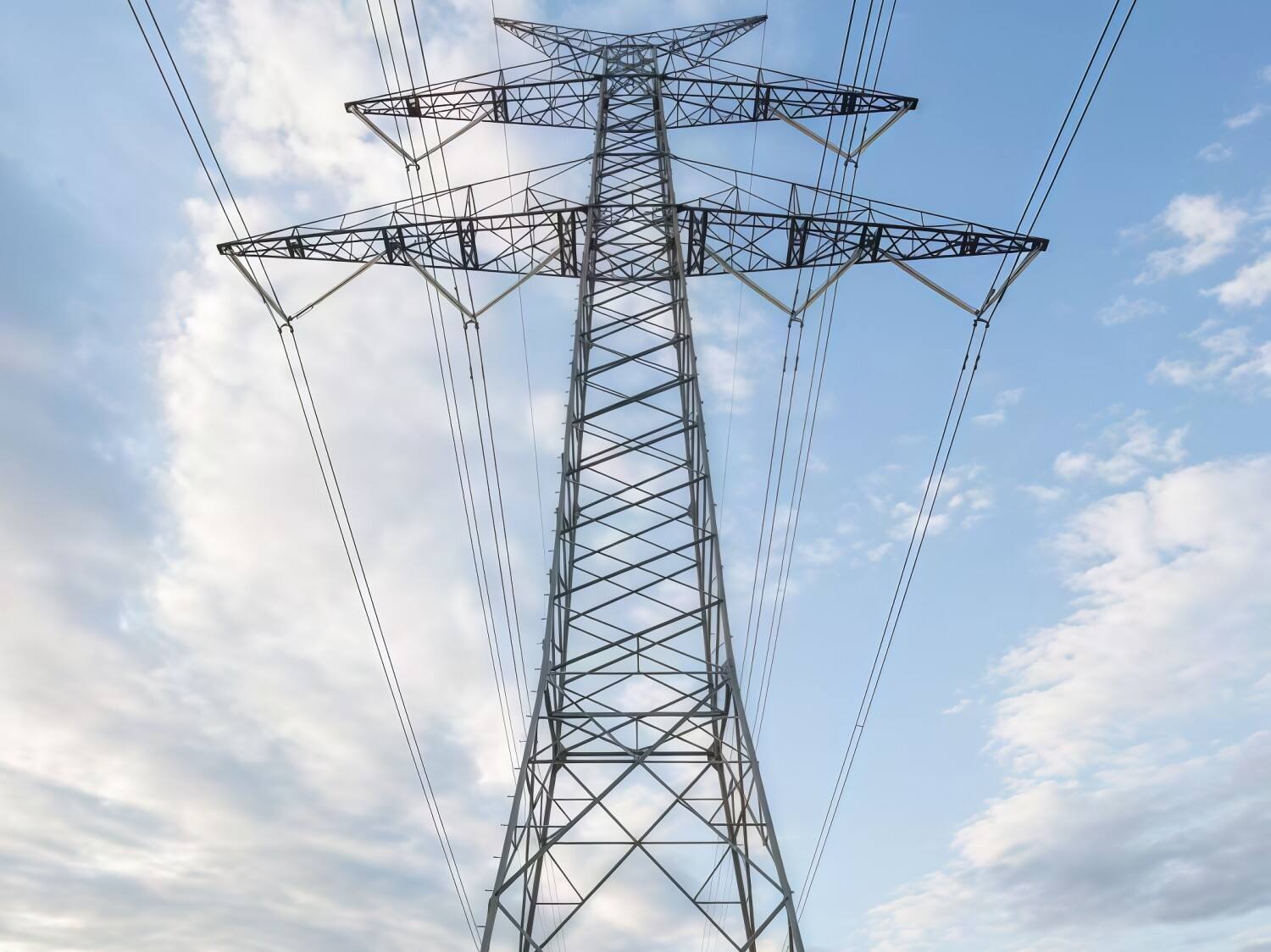
An electric tower line represents a critical infrastructure component of modern power transmission systems, serving as the backbone for delivering electricity across vast distances from generation facilities to end consumers. These towering structures, also known as transmission towers or power line towers, support high-voltage electrical conductors that carry electricity efficiently over long distances with minimal power loss. The electric tower line system consists of multiple interconnected elements including steel lattice towers, aluminum or copper conductors, insulators, and supporting hardware that work together to maintain reliable power transmission. The primary function of an electric tower line involves stepping up voltage at power plants through transformers, transmitting this high-voltage electricity across transmission networks, and then stepping down voltage at distribution substations for safe delivery to residential, commercial, and industrial customers. Modern electric tower line configurations utilize advanced engineering principles to optimize power flow while maintaining safety standards and environmental considerations. These structures typically operate at voltages ranging from 69 kilovolts to 765 kilovolts, with higher voltages allowing for more efficient long-distance transmission. The technological features of electric tower line systems include sophisticated monitoring equipment, automated switching capabilities, and protective relay systems that detect and isolate faults to prevent widespread outages. Geographic information systems and real-time monitoring technologies enable utilities to track performance metrics, identify maintenance needs, and respond quickly to system disturbances. Applications of electric tower line infrastructure extend beyond basic power transmission to include renewable energy integration, grid interconnection between regions, and support for electric vehicle charging networks. These versatile systems accommodate various conductor types, support structures, and voltage levels to meet specific transmission requirements across diverse terrains and environmental conditions.


 EN
EN