Flexible Equipment Integration and Future-Ready Design
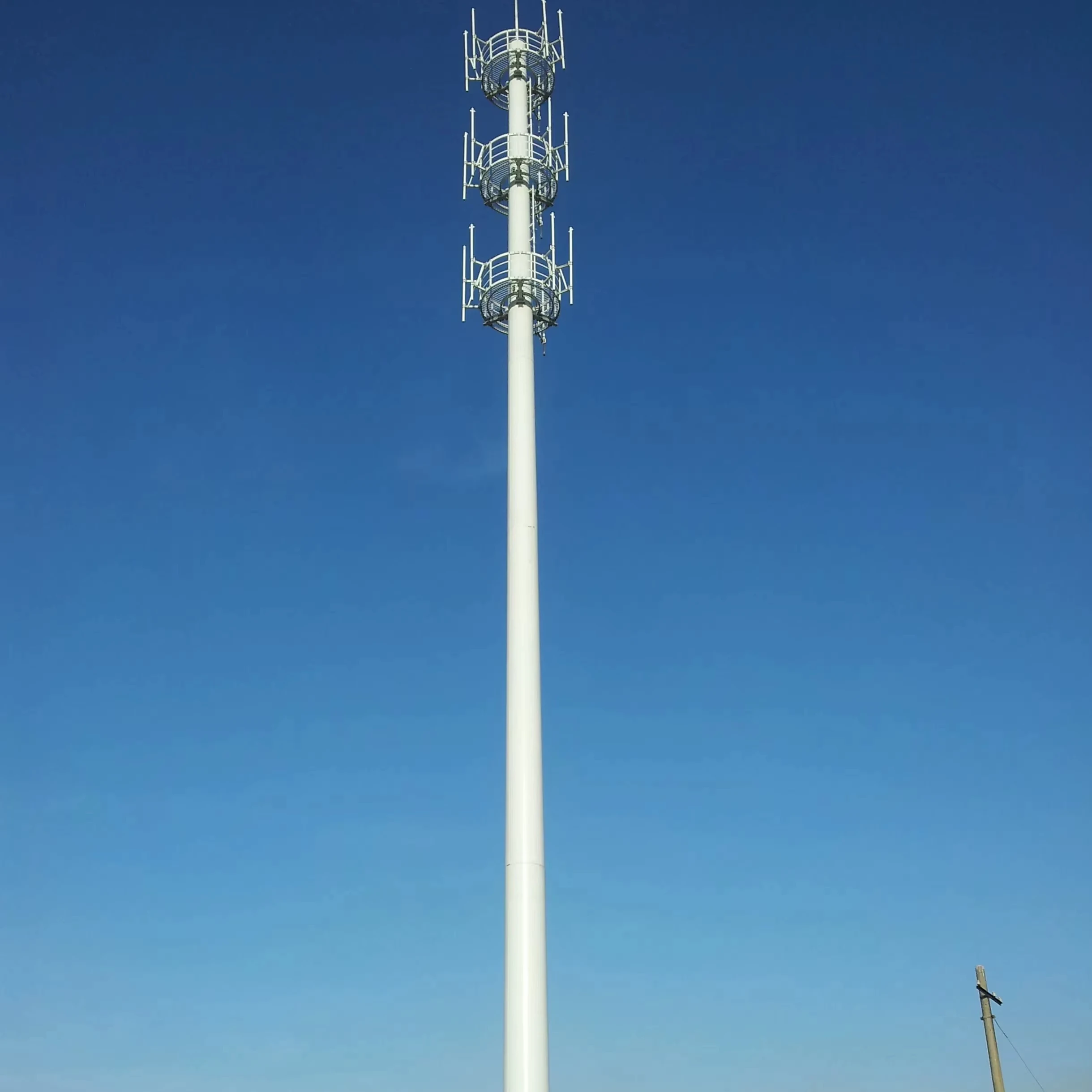
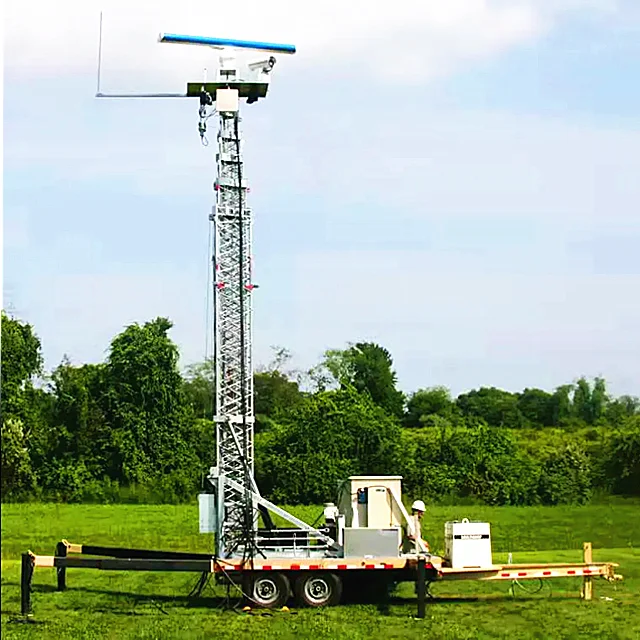
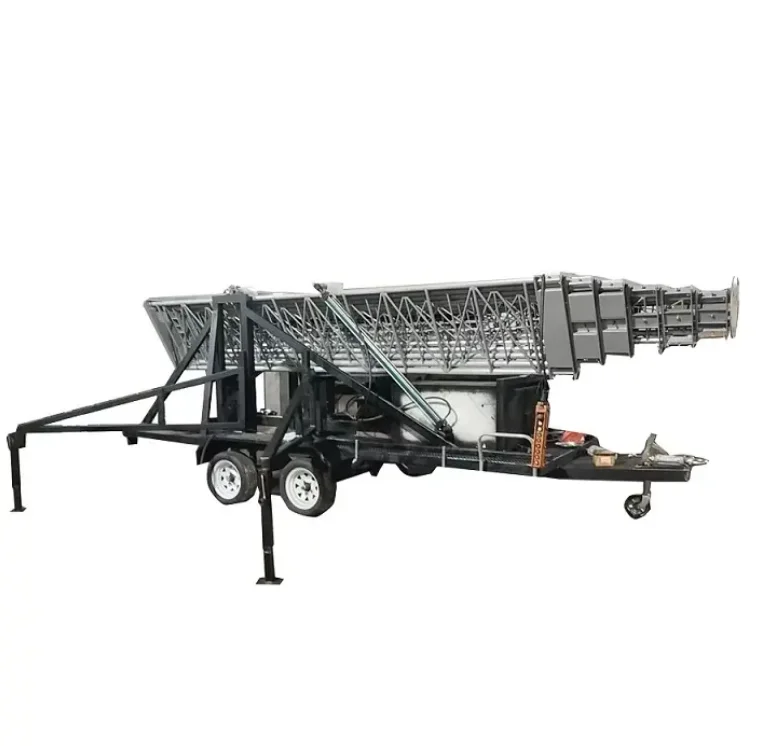
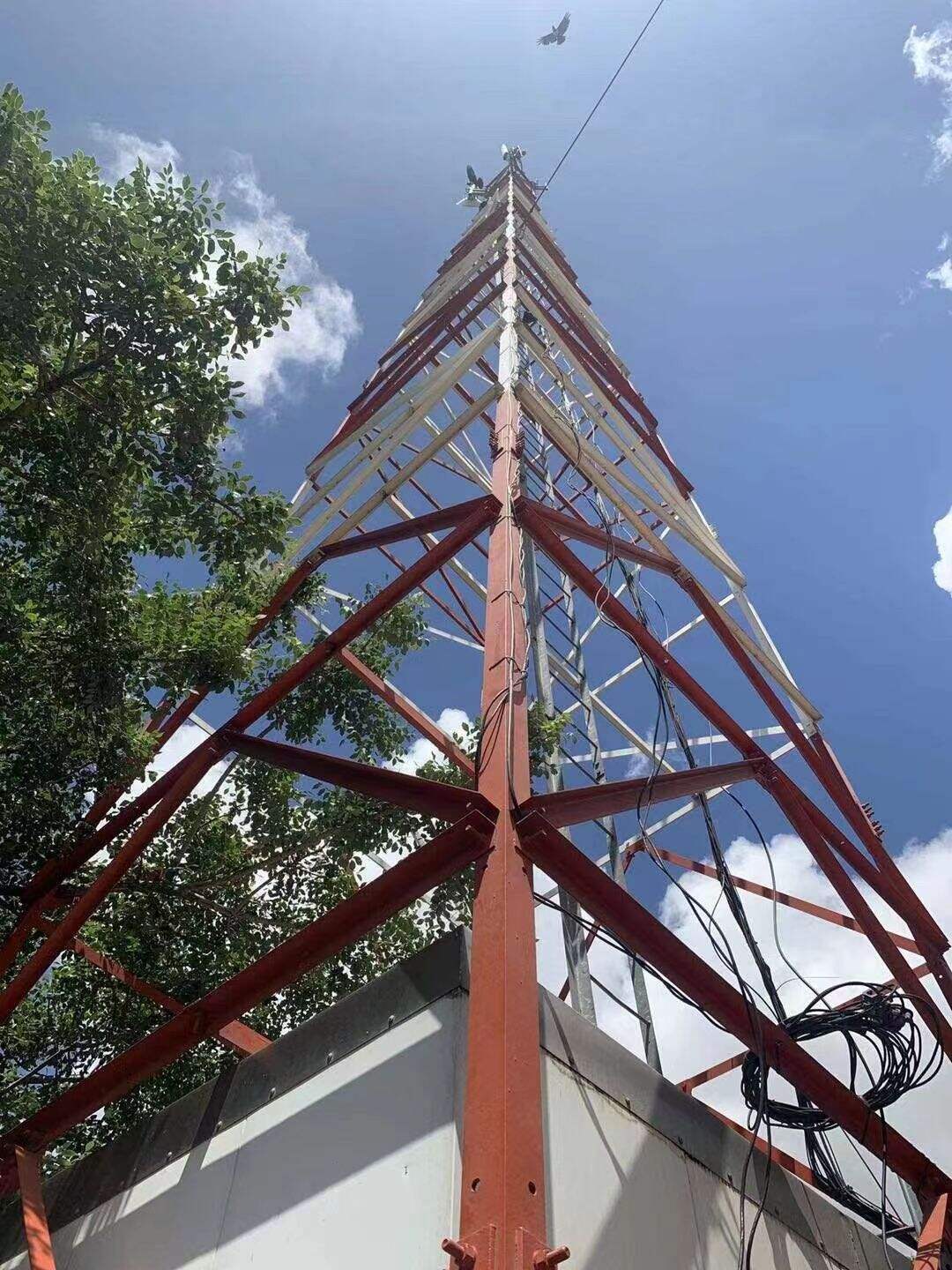
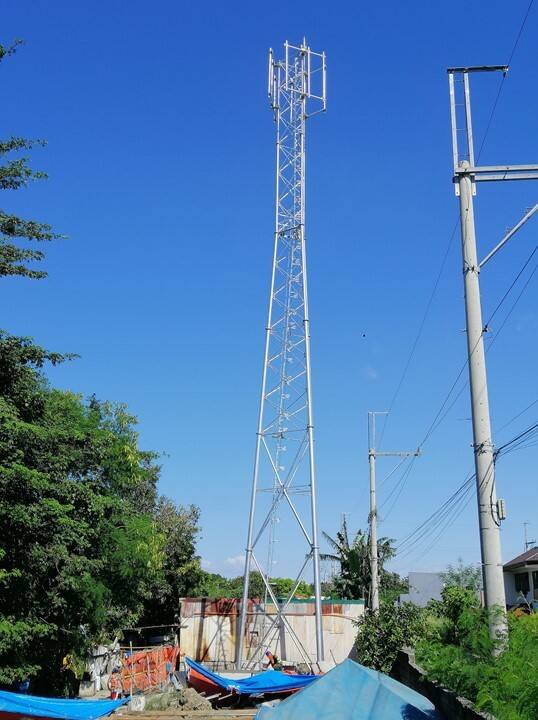
The equipment integration capabilities of customized comm towers provide unmatched flexibility for current installations while ensuring readiness for future technology upgrades and expansion requirements. Unlike standardized towers that force equipment compromise, customized comm towers are designed around specific equipment needs, creating optimal mounting positions, cable routing paths, and access arrangements that maximize system performance and operational efficiency. The design process begins with detailed equipment inventories and placement optimization studies that determine ideal mounting heights, orientations, and spacing requirements for each antenna and transmission system. This comprehensive approach eliminates interference issues while maximizing coverage patterns and signal quality. Specialized mounting hardware is engineered for each equipment type, providing secure attachment points that accommodate thermal expansion, wind loading, and maintenance access requirements. The tower structure incorporates dedicated cable management systems with protected pathways that prevent damage from weather exposure, UV radiation, and physical wear. These integrated systems reduce installation complexity while providing organized routing that simplifies future upgrades or equipment additions. Power distribution systems are customized to match specific equipment requirements, incorporating redundant feeds, backup power connections, and monitoring capabilities that ensure continuous operation during utility interruptions. The customized approach allows for integration of renewable energy systems, battery backup installations, and smart grid connections that reduce operational costs while improving system reliability. Climbing safety systems are tailored to the specific equipment layout, providing secure access points and fall protection that enables efficient maintenance while protecting technician safety. The tower design accommodates future technology requirements through reserved mounting space, additional cable capacity, and structural provisions for increased loading conditions. This forward-thinking approach protects the infrastructure investment while providing flexibility as communication technologies evolve toward higher frequencies, increased data rates, and denser network architectures. Environmental control systems can be integrated into customized comm towers to protect sensitive equipment from temperature extremes, humidity, and contaminants. These specialized enclosures maintain optimal operating conditions while reducing equipment failures and extending service life. The result is a communication infrastructure platform that adapts to changing needs while delivering consistent performance across diverse operating conditions and technology requirements.



 EN
EN